Diwali in India: 7 Best Places to Experience the Festival of Lights
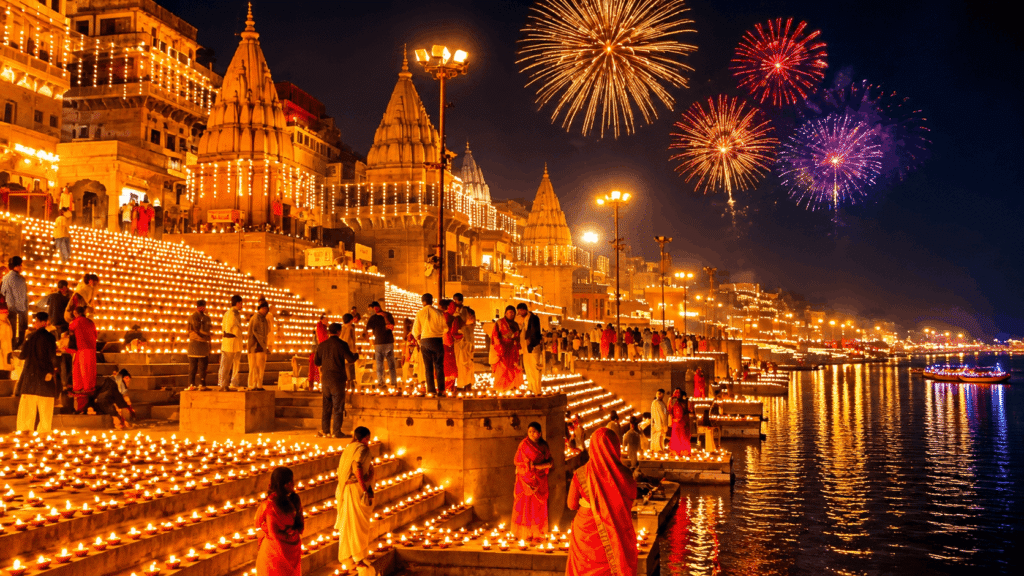
India Festival & Cultural Experiences Diwali in India: 7 Best Places to Experience the Festival of Lights From the illuminated ghats of Varanasi and Ayodhya’s spectacular Deepotsav to royal Rajasthan and Bengal’s Kali Puja, discover seven destinations that reveal the many cultural expressions of India’s Festival of Lights. Discover the Many Ways India Celebrates Diwali India’s festivals offer a remarkable insight into its history, beliefs and regional identities. Among them, Diwali, or Deepavali, the Festival of Lights, is one of the most widely celebrated. Homes, temples, streets and markets are illuminated with earthen lamps and decorative lights, while families gather for prayers, festive meals and the exchange of sweets and gifts. The festival is commonly associated with the triumph of light over darkness and good over evil. In many Hindu traditions, it commemorates Lord Rama’s return to Ayodhya after fourteen years of exile. Diwali also has distinct meanings and observances across India’s religious and cultural communities. For international visitors, experiencing Diwali in India is about more than seeing illuminated buildings. It is an opportunity to understand local traditions, explore historic cities, discover regional food and witness living cultural practices. Each destination offers a different perspective on the festival. Festival of LightsDiwali / Deepavali October–NovemberUsually celebrated Seven DestinationsAcross India’s regions Culture & HeritageTraditions, food and faith Explore This Diwali Travel Guide Varanasi – Dev Deepawali Ayodhya – Deepotsav Jaipur – Royal Diwali Amritsar – Bandi Chhor Divas Kolkata – Kali Puja Delhi – Festive Capital Udaipur – Lakeside Celebrations Travel Tips for Diwali Frequently Asked Questions 1. Varanasi – Witness the Magical Dev Deepawali on the Banks of the Ganges Varanasi, also known as Banaras or Kashi, is one of India’s oldest continuously inhabited cities and a major centre of Hindu spirituality. Situated on the banks of the sacred River Ganges in Uttar Pradesh, the city is known for its ancient temples, historic ghats, evening rituals, classical music, silk weaving and distinctive food culture. Varanasi offers a particularly memorable festive experience because its most spectacular riverfront illumination takes place during Dev Deepawali, approximately fifteen days after the main Diwali festival. Celebrated on Kartik Purnima, the full moon day of the Hindu month of Kartik, Dev Deepawali is popularly described as the Diwali of the Gods. According to Hindu belief, the gods descend to Earth on this auspicious night to bathe in the sacred Ganga. The festival is also associated with Lord Shiva’s victory over the demon Tripurasura. As evening falls, thousands of earthen lamps illuminate the ghats, temples and riverfront. Their reflections shimmer across the Ganges, while devotional music, chants and the Ganga Aarti create an atmosphere unique to Kashi. Dev Deepawali transforms the Varanasi riverfront into a spectacular landscape of light. What Makes Dev Deepawali in Varanasi Special? Dashashwamedh Ghat: One of the city’s best-known ghats, famous for its elaborate evening Ganga Aarti performed with large lamps, incense and devotional chants. Assi Ghat: A lively riverfront location known for its morning rituals, cultural programmes and a more relaxed atmosphere during the day. Raj Ghat and Panchganga Ghat: Historic riverfront areas that form part of Varanasi’s wider sacred landscape and festive illuminations. Boat Ride on the Ganges: A boat journey offers a memorable perspective of the illuminated ghats, although access and movement may be regulated during the festival. Temples and Heritage Lanes: Explore the old city’s narrow lanes, traditional markets and sacred spaces to understand the wider cultural setting of Kashi. A Festival Best Seen from the River As thousands of lamps glow along the riverfront, a carefully planned boat experience can offer a distinctive view of Dev Deepawali. Visitors should book through authorised operators and follow local safety instructions, as river traffic and access arrangements can be tightly managed on festival evening. What Else Can You Experience in Varanasi? Extend your visit beyond the festival with a heritage walk through the old city, a visit to the Kashi Vishwanath Temple corridor, a morning boat ride, or an exploration of Banarasi silk weaving. Food lovers can discover local specialities such as kachori-sabzi, tamatar chaat, malaiyyo in season and the city’s famous sweets. Travel tip: Dev Deepawali attracts large crowds. Book accommodation and transport well in advance, allow extra time for road closures and check the latest local arrangements before travelling. Read more about the city’s signature celebration in our guide to Dev Deepawali in Varanasi. 2. Ayodhya – Experience the Grand Deepotsav Celebrations Ayodhya, situated on the banks of the River Sarayu in Uttar Pradesh, holds a special place in India’s cultural and religious imagination. Traditionally regarded as the birthplace of Lord Rama, the city is closely associated with the Ramayana and the story of Rama’s return after fourteen years of exile. Diwali in Ayodhya has a particularly strong connection with this story. The city celebrates the occasion through Deepotsav, a large-scale festival of lights in which riverfront ghats, temples and public spaces are illuminated with rows of earthen lamps. The celebration has become one of the most recognised festive events in Uttar Pradesh. The sight of lamps arranged along the Sarayu riverfront creates a striking atmosphere. Cultural performances, devotional music, processions and themed displays may form part of the programme, depending on the year’s official arrangements. Ayodhya’s Deepotsav celebrates the traditional story of Lord Rama’s return to the city. Highlights of Diwali in Ayodhya Ram Ki Paidi: The ghats along the Sarayu are among the main focal points of Deepotsav, with rows of lamps creating a spectacular riverfront display. Ram Janmabhoomi Temple: The temple is an important destination for pilgrims and visitors interested in the city’s religious heritage. Entry arrangements and visitor rules should be checked in advance. Hanuman Garhi: A prominent temple dedicated to Lord Hanuman, traditionally visited by pilgrims arriving in Ayodhya. Kanak Bhawan: A historic temple associated with Lord Rama and Sita, known for its devotional significance and traditional architecture. Sarayu Aarti: The riverfront rituals offer an opportunity to experience the devotional atmosphere of Ayodhya beyond the main Deepotsav programme. Understanding the Cultural Significance Deepotsav is
Dev Deepawali in Varanasi: When the Ganges Becomes a River of Light
India Festival Experience Dev Deepawali in Varanasi: When the Ganges Becomes a River of Light Discover Dev Deepawali in Varanasi, when the ancient ghats of Kashi glow with thousands of diyas, the Ganga reflects a river of light and centuries-old traditions transform the city into one of India’s most unforgettable cultural experiences. When Varanasi Comes Alive With Light Some experiences in India are difficult to understand from photographs alone. You can see the lights, hear the music and read about the rituals, but being there creates an entirely different impression. Dev Deepawali in Varanasi is one of those experiences. As evening approaches, the ancient ghats along the Ganga begin to glow with thousands of earthen lamps, while prayers, devotional music and the famous Ganga Aarti create an atmosphere unlike an ordinary evening in the city. For travellers interested in Indian culture, spirituality, heritage and authentic India travel experiences, Dev Deepawali offers an opportunity to see Varanasi at one of its most extraordinary moments. To understand why this celebration is so important, it helps to first understand the significance of Diwali in India and then discover how Varanasi gives the Festival of Lights another remarkable dimension. Dev Deepawali Diwali of the Gods Kartik Purnima Full Moon Celebration Ganga Sacred River of Kashi Varanasi Living Heritage City Explore This Varanasi Dev Deepawali Guide Diwali in India What Is Dev Deepawali? Why Is It Important? The Ghats of Varanasi Dev Deepawali Boat Ride Ganga Aarti Things to Experience Beyond the Festival Suggested Itinerary For International Travellers FAQs Why Diwali in India Is More Than a Festival of Lights Diwali, or Deepavali, is India’s Festival of Lights and one of the country’s most widely celebrated festivals. Homes, temples, streets and markets are illuminated with diyas, decorations and lights, while families come together for prayers, sweets, gifts and festive meals. The festival is widely associated with the triumph of light over darkness and good over evil. In many parts of India, Diwali is connected with the return of Lord Rama to Ayodhya after his exile. Other regions and communities have their own stories, rituals and customs. That regional diversity is one of the most fascinating aspects of experiencing Diwali in India. The festival may share a common spirit, but its expression changes dramatically from one destination to another. And Then Comes Dev Deepawali in Varanasi In Varanasi, the festive atmosphere continues beyond Diwali. Around fifteen days later, on the full moon of Kartik, the city celebrates Dev Deepawali — traditionally known as the Diwali of the Gods. The celebration transforms the ghats of the Ganga into an extraordinary landscape of lamps, devotion and light. What Is Dev Deepawali in Varanasi? Dev Deepawali is celebrated on Kartik Purnima, the full moon of the Hindu month of Kartik. It is traditionally believed that the gods descend to Earth on this auspicious occasion to bathe in the sacred waters of the Ganga. Another important tradition associates the festival with Lord Shiva’s victory over Tripurasura. These stories give Dev Deepawali its spiritual significance and explain why the celebration is much more than a spectacular display of lamps. As darkness falls, diyas are lit along the riverfront and Varanasi’s historic ghats begin to glow. The light reflects across the Ganga while bells, chants and devotional music fill the air. This combination of faith, living heritage and visual beauty is what makes Dev Deepawali Varanasi such a compelling experience for travellers from around the world. Ganga Aarti and the illuminated ghats of Varanasi Why Is Dev Deepawali Important in Varanasi? It is easy to look at Dev Deepawali as simply a spectacular festival of lights. But for Varanasi, the meaning goes much deeper. The Ganga is central to the spiritual identity of Kashi. The ghats are not simply beautiful riverfront spaces; they are places where people come to pray, bathe, perform rituals, celebrate important occasions and reflect on life. During Dev Deepawali, this living spiritual landscape becomes illuminated. The lamps are therefore not simply decoration. They form part of a wider expression of devotion, faith and community. For an international traveller, this is what makes the experience particularly valuable. Rather than watching a staged cultural performance, you are witnessing a living Indian tradition taking place within the everyday spiritual landscape of one of India’s oldest living cities. The Ghats of Varanasi: The Heart of Dev Deepawali The ghats of Varanasi form the heart of Dev Deepawali. The city has 88 ghats along the Ganga, with different ghats serving different religious, cultural and historical purposes. During the festival, the riverfront becomes a continuous landscape of light. Ancient temples, historic buildings and stone steps create a dramatic backdrop for thousands of lamps. For travellers, the experience changes depending on where you stand. A busy central ghat may offer a close-up view of rituals and celebrations, while another location may provide a wider perspective of the illuminated riverfront. The Ganga riverfront illuminated during Dev Deepawali Among the best-known areas are Dashashwamedh Ghat, Assi Ghat and the historic central riverfront. Local access and crowd arrangements can vary, so visitors should always follow current instructions during the festival. The official Varanasi tourism website provides information about the city’s ghats and riverfront experiences. Dashashwamedh Ghat and the Ganga Aarti Dashashwamedh Ghat is one of Varanasi’s best-known riverfront landmarks and an important place to experience the city’s celebrated Ganga Aarti. As evening arrives, priests perform coordinated rituals with lamps, incense and devotional chants. The ceremony itself is atmospheric, but experiencing it against the illuminated riverfront during Dev Deepawali creates an even more powerful impression. Expect crowds. Advance planning, patience and comfortable footwear can make a considerable difference, particularly around the most popular riverfront areas. For additional information, explore Dashashwamedh Ghat through Incredible India. Why a Dev Deepawali Boat Ride Is Worth Experiencing For many visitors, a Dev Deepawali boat ride becomes the highlight of the entire experience. From the river, the scale of the celebration becomes much easier to appreciate. Instead of seeing one ghat at a