Heritage & Culture of India

UNESCO World Heritage Sites in India:
15 Places Every Traveller Should Visit

From the Taj Mahal and ancient Buddhist sites to Himalayan landscapes and wildlife-rich national parks, discover the remarkable UNESCO World Heritage Sites that reveal India's history, culture, architecture and natural heritage.

Discover India's World Heritage

A Journey Through India's Cultural & Natural Heritage

India is home to an extraordinary collection of cultural, natural and mixed heritage sites. These UNESCO sites in India span ancient cities, temples, monuments, archaeological landscapes, mountains and wildlife habitats, these places tell stories that span thousands of years.

As of 2026, India has 45 properties inscribed on the UNESCO World Heritage List, including 37 cultural properties, 7 natural properties and 1 mixed property. The Ancient Buddhist Site of Sarnath became India's latest World Heritage inscription in 2026.

Taj Mahal, UNESCO World Heritage Site in India
Understanding World Heritage

What Makes a Site a UNESCO World Heritage Site?

UNESCO World Heritage Sites are places recognised for their Outstanding Universal Value. Their importance extends beyond national boundaries because of their cultural, historical, architectural or natural significance.

India's World Heritage properties range from monumental architecture and archaeological remains to forests, mountains and wildlife habitats. Together, they offer travellers an exceptional way to understand the country's extraordinary diversity.

India currently has 45 UNESCO World Heritage properties.
They represent cultural traditions, historic achievements and natural landscapes across almost every part of the country.

View India's official UNESCO World Heritage List →

India's Heritage Icons

15 UNESCO World Heritage Sites in India to Experience

From celebrated monuments to extraordinary natural landscapes, these World Heritage Sites reveal different chapters of India's history, culture and geography.

01

Taj Mahal, Agra

One of India's most recognisable monuments, the Taj Mahal is an exceptional example of Mughal architecture and a defining symbol of India's heritage.

Explore Uttar Pradesh →

UNESCO details →

02

Qutb Minar, Delhi

The Qutb Minar and its surrounding monuments form an important archaeological and architectural landscape illustrating the development of Indo-Islamic architecture.

Explore Delhi →

UNESCO details →

03

Jaipur City, Rajasthan

Jaipur's historic walled city is recognised for its distinctive urban planning, traditional markets, gateways and remarkable architectural heritage.

Explore Rajasthan →

UNESCO details →

04

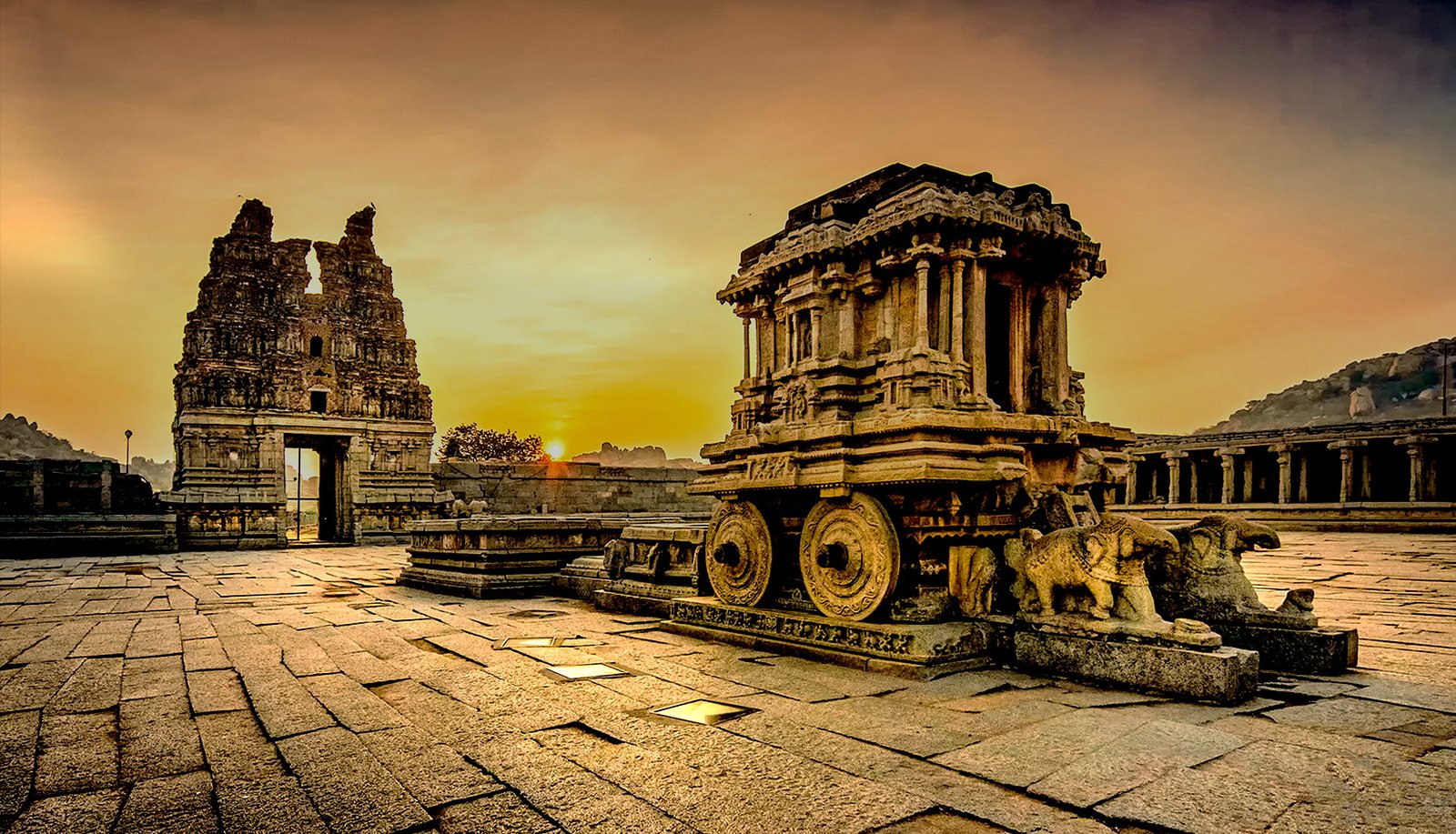
Hampi, Karnataka

The ruins of Hampi reveal the scale and sophistication of the Vijayanagara Empire, set within a dramatic landscape of temples, monuments and granite boulders.

Explore Karnataka →

UNESCO details →

05

Khajuraho, Madhya Pradesh

The Khajuraho Group of Monuments is celebrated for its intricate temple architecture and extraordinary stone carvings dating from the Chandela period.

Explore Madhya Pradesh →

UNESCO details →

06

Sanchi, Madhya Pradesh

The Buddhist Monuments at Sanchi preserve stupas, monasteries, temples and intricately carved gateways associated with India's Buddhist heritage.

Explore Madhya Pradesh →

UNESCO details →

07

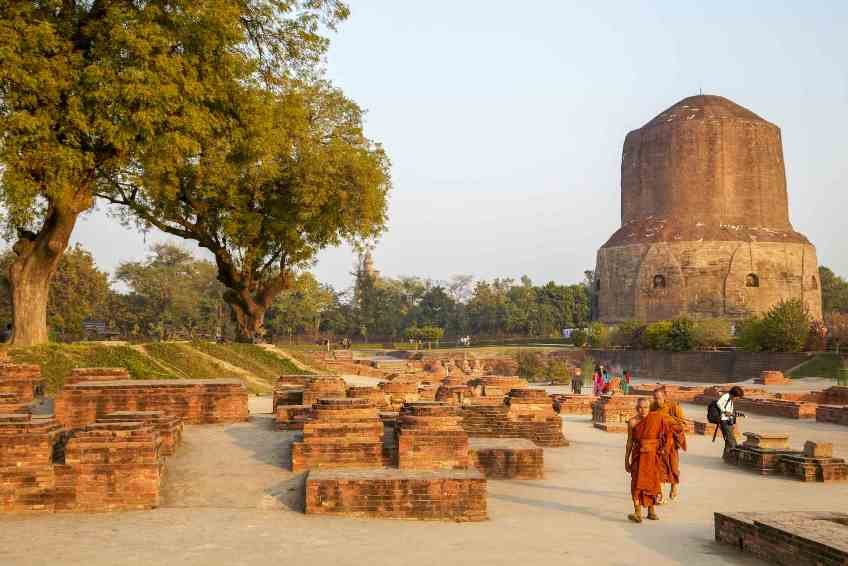
Ancient Buddhist Site of Sarnath

Located near Varanasi, Sarnath is one of the most important Buddhist pilgrimage sites in India and became a UNESCO World Heritage Site in 2026.

Explore Uttar Pradesh →

UNESCO details →

08

Nalanda Mahavihara, Bihar

The archaeological remains of Nalanda preserve the legacy of one of ancient India's great centres of Buddhist learning and intellectual exchange.

Explore Bihar →

UNESCO details →

09

Sun Temple, Konark

Designed in the form of the chariot of the Sun God, Konark is renowned for its monumental architecture, stone wheels and intricate sculptural decoration.

Explore Odisha →

UNESCO details →

10

Great Living Chola Temples

The Great Living Chola Temples showcase the extraordinary architectural and artistic achievements of the Chola dynasty through three monumental temples in Tamil Nadu.

Explore Tamil Nadu →

UNESCO details →

11

Mountain Railways of India

The Darjeeling Himalayan Railway, Nilgiri Mountain Railway and Kalka–Shimla Railway demonstrate remarkable railway engineering adapted to India's mountainous terrain.

Explore West Bengal →

Explore Tamil Nadu →

Explore Himachal Pradesh →

UNESCO details →

12

Kaziranga National Park

Assam's Kaziranga National Park is a UNESCO natural World Heritage Site renowned for its rich biodiversity and population of the greater one-horned rhinoceros.

Explore Assam →

UNESCO details →

13

Great Himalayan National Park

This protected Himalayan landscape is recognised for its biodiversity, high-altitude ecosystems and exceptional natural heritage.

Explore Himachal Pradesh →

UNESCO details →

14

Western Ghats

The Western Ghats are an ancient mountain chain recognised for exceptional biodiversity, endemic species and important forest ecosystems.

Explore Kerala →

Explore Karnataka →

Explore Tamil Nadu →

Explore Maharashtra →

UNESCO details →

15

Sundarbans National Park

The Sundarbans is one of the world's great mangrove landscapes, shaped by tidal waterways and recognised for its exceptional biodiversity and Bengal tiger habitat.

Explore West Bengal →

UNESCO details →

India's World Heritage Diversity

More Than Monuments: India's Cultural & Natural Heritage

India's UNESCO World Heritage List reflects the extraordinary variety of its heritage. Travellers can move from historic monuments and archaeological sites to forests, mountains and wildlife habitats.

Hampi UNESCO World Heritage Site in Karnataka, India

Cultural Heritage

Explore India's architectural and archaeological legacy through monuments, temples, historic cities, Buddhist sites, forts and ancient settlements.

Taj Mahal · Hampi · Sarnath · Khajuraho
Kaziranga National Park UNESCO World Heritage Site in Assam, India

Natural Heritage

Discover India's remarkable biodiversity through national parks, mountain ecosystems, forests, wetlands and other landscapes recognised for their natural significance.

Kaziranga · Sundarbans · Western Ghats

Mountain Heritage

From Himalayan conservation areas to historic mountain railways, India's mountains offer both natural and engineering heritage experiences.

Himalayas · Mountain Railways

Buddhist Heritage

Sarnath, Sanchi and Nalanda form part of India's rich Buddhist heritage, offering travellers opportunities to explore ancient learning, pilgrimage and architectural traditions.

Sarnath · Sanchi · Nalanda
Plan Your Journey

UNESCO Heritage Journeys Across India

India's World Heritage Sites can be combined into carefully planned regional journeys, allowing travellers to experience heritage alongside food, culture, landscapes and local experiences. For travellers researching the best UNESCO World Heritage Sites in India, a regional approach also makes it easier to connect several heritage experiences within one thoughtfully planned journey.

01. Golden Triangle Heritage

Combine Delhi, Agra and Jaipur to explore some of India's most celebrated architectural and historical landmarks. Discover the wider destination network through UnDMC's India destinations .

02. Buddhist Heritage Trail

Connect Bodh Gaya, Nalanda and Sarnath for a journey through some of India's most important Buddhist heritage destinations.

03. South India Heritage

Explore the temple architecture of Tamil Nadu alongside the historic landscapes of Karnataka and the wider cultural richness of South India.

04. Wildlife & Natural Heritage

Combine destinations such as Kaziranga, the Sundarbans, the Western Ghats and Himalayan landscapes for a journey focused on India's natural heritage.

Travel With Destination Expertise

Go Beyond the Monument

Visiting a UNESCO World Heritage Site is more meaningful when it becomes part of a wider destination experience. A heritage journey can include local cuisine, cultural interactions, specialist guides, heritage walks, wildlife, landscapes and regional traditions.

UnDMC India connects travel professionals with destination expertise across India's diverse regions, helping create thoughtfully planned travel programmes around the interests of their clients.

Heritage is not only something to see — it is something to understand and experience.
Discover India's destinations through journeys that connect history, culture, people, landscapes and local experiences.

Discover What UnDMC Does →

Sarnath UNESCO World Heritage Site in Varanasi, India
Beyond These 15

More UNESCO World Heritage Sites to Discover in India

The 15 places featured above represent only a selection of India's extensive World Heritage portfolio.

North & Central India

Explore Ajanta and Ellora Caves, Agra Fort, Fatehpur Sikri, Humayun's Tomb, the Red Fort Complex, Hill Forts of Rajasthan, Dholavira and other remarkable heritage properties.

Delhi · Uttar Pradesh · Rajasthan · Madhya Pradesh

East & Northeast India

Discover Moidams, Santiniketan, the Sundarbans, Kaziranga, Manas and other properties that reveal the cultural and natural diversity of eastern India.

Assam · West Bengal · Bihar · Odisha

Western India

From the historic city of Ahmedabad and Rani-ki-Vav to Mumbai's Victorian Gothic and Art Deco architecture, western India offers remarkable heritage experiences.

Gujarat · Maharashtra · Goa

Southern India

Explore the Great Living Chola Temples, Group of Monuments at Hampi, Sacred Ensembles of the Hoysalas, Mahabalipuram and other architectural treasures.

Tamil Nadu · Karnataka · Kerala
Planning Your Visit

Tips for Exploring UNESCO Sites in India

A little planning can make a heritage-focused journey considerably more comfortable and rewarding.

01. Consider the Region

India's UNESCO sites are spread across the country. Grouping destinations by region can reduce unnecessary travel time and create a more balanced itinerary. This is especially useful when planning a first visit to India's famous UNESCO heritage sites.

02. Allow Time for Context

Do not rush between monuments. Allow time for museums, archaeological areas, local neighbourhoods, food and cultural experiences surrounding each site.

03. Check Seasonal Conditions

India's climate varies considerably. Mountain destinations, wildlife parks and coastal regions can have very different seasonal conditions.

04. Combine Heritage with Local Experiences

Pair UNESCO sites with regional cuisine, crafts, markets, heritage walks and cultural encounters to experience the destination beyond its most famous landmark.

Frequently Asked Questions

UNESCO World Heritage Sites in India – FAQs

How many UNESCO World Heritage Sites are there in India?

As of 2026, India has 45 properties inscribed on the UNESCO World Heritage List: 37 cultural properties, 7 natural properties and 1 mixed property.

What is the newest UNESCO World Heritage Site in India?

The Ancient Buddhist Site of Sarnath in Uttar Pradesh was inscribed on the UNESCO World Heritage List in 2026.

Which are the most famous UNESCO World Heritage Sites in India?

India's internationally recognised World Heritage Sites include the Taj Mahal, Qutb Minar, Jaipur City, Hampi, Khajuraho, Sanchi, Kaziranga, the Sundarbans and several other cultural and natural properties.

Are there natural UNESCO World Heritage Sites in India?

Yes. India's natural World Heritage properties include Kaziranga National Park, the Sundarbans National Park, Western Ghats and Great Himalayan National Park Conservation Area, among others.

Can I visit several UNESCO sites during one India trip?

Yes. Several properties can be combined into regional journeys. Delhi, Agra and Jaipur are particularly suitable for a heritage-focused route, while Sarnath and Nalanda can form part of a wider Buddhist heritage journey.

Can UnDMC create a customised UNESCO heritage journey?

UnDMC works with travel professionals seeking destination expertise across India. To discuss a customised travel programme, visit the UnDMC contact page .

Experience India's Heritage

Discover India Beyond the Famous Landmarks

From ancient Buddhist sites and magnificent monuments to Himalayan landscapes and wildlife-rich ecosystems, India's World Heritage Sites offer countless ways to experience the country's history, culture and natural diversity.

Explore India's destinations with UnDMC and create thoughtfully planned journeys for your clients.

Plan an India Journey