Explore the extraordinary diversity of Indian handicrafts by state — from Kashmiri Pashmina and Lucknow Chikankari to Kutch embroidery, Bastar Dhokra, Odisha Pattachitra, South Indian silk and the bamboo traditions of Northeast India.
India is not only a land of monuments, festivals, cuisines and landscapes. It is also a country where craft is culture.
Across mountains, deserts, plains, forests, river valleys and coastal communities, generations of Indian artisans have transformed locally available materials into extraordinary works of art.
Silk becomes a Banarasi saree in Varanasi; wool becomes a Kashmiri shawl; clay becomes terracotta in West Bengal; metal becomes Dhokra; and bamboo becomes baskets, furniture and musical instruments across Northeast India.
Official Indian handicraft resources categorise India's craft heritage across textiles, embroidery, woodcraft, metalwork, pottery, bamboo and cane, leather, stone carving, jewellery and many other traditions.
For travellers, crafts offer far more meaningful experiences than shopping alone. They provide a window into how India lives, creates, preserves and passes on its cultural identity.
Indian handicrafts are much more than decorative objects. They represent generations of knowledge, community identity, local materials and cultural memory.
A craft often tells the story of the place where it is made. The climate, landscape, available raw materials, religious traditions, royal patronage and social customs of a region have all influenced the development of Indian crafts.
From a Kashmiri artisan working with fine wool to a Rajasthani printer creating patterns with wooden blocks, a craft tradition continues to survive because skills are passed from one generation to another. Travelling to these craft regions allows visitors to experience this heritage at its source.
This makes handicrafts particularly valuable for cultural tourism. Travellers can meet artisans, visit workshops, understand production techniques and purchase authentic handmade products directly from local communities.
North India offers some of the country's most recognisable handicrafts, shaped by Himalayan environments, royal courts, Mughal influences, pastoral communities and centuries-old textile traditions.
Jammu & Kashmir is one of India's most celebrated craft regions. Its heritage includes fine Pashmina, Kashmiri carpets, Papier-Mâché and intricate walnut wood carving.
Key craft centres: Srinagar, Anantnag, Budgam and Baramulla.
IMAGE URL HERE — Add Himachal Pradesh handicraft image
Himachal Pradesh combines woollen traditions with fine embroidery and miniature painting. The state's craft identity is strongly associated with Kullu shawls, the embroidered Chamba Rumal and the artistic traditions of Kangra.
Key craft centres: Kullu, Chamba and Kangra.
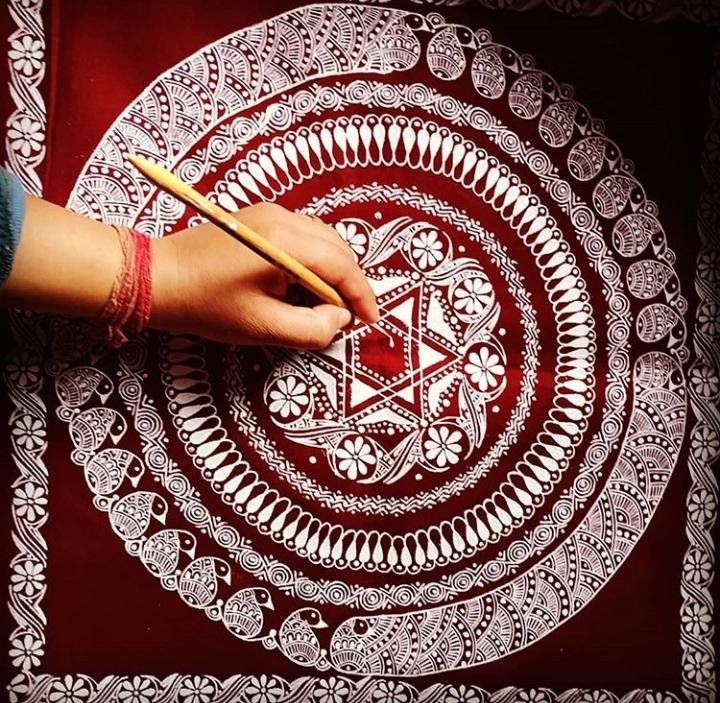
Uttarakhand's craft heritage reflects its Himalayan environment and cultural traditions. Aipan, woollen products and copper craft are among the region's distinctive traditions.
The Kumaon region, particularly Almora, Pithoragarh and Bageshwar, is important for traditional crafts and handmade products.

Punjab is internationally recognised for Phulkari, meaning floral work. Traditionally created through intricate embroidery, Phulkari textiles reflect Punjab's vibrant visual culture and community traditions.
Key craft centres: Amritsar, Patiala, Jalandhar and Ludhiana.
IMAGE URL HERE — Add Haryana handicraft image
Haryana's traditional crafts include textiles, embroidery, weaving, pottery, woodwork and metalwork. These traditions are closely connected with rural life and everyday utility.
Key craft centres: Panipat, Hisar and Rohtak.
IMAGE URL HERE — Add Rajasthan handicraft image
Rajasthan is one of India's most important craft destinations. Its colourful traditions include block printing, blue pottery, marble and stone carving, miniature painting, Pichhwai, leatherwork, jewellery, metalwork and weaving.
Key craft centres: Jaipur, Sanganer, Bagru, Jodhpur, Udaipur, Nathdwara, Barmer and Bikaner.
IMAGE URL HERE — Add Uttar Pradesh handicraft image
Uttar Pradesh has one of India's richest and most diverse craft landscapes. Lucknow Chikankari and Zardozi, Banarasi silk, carpets, brassware, pottery and marble inlay are among its best-known traditions.
Key craft centres: Lucknow, Varanasi, Bhadohi, Mirzapur, Moradabad, Khurja, Firozabad and Agra.
The state's craft traditions can be explored alongside heritage experiences through destinations such as Uttar Pradesh, Lucknow and Varanasi.
Moving eastwards and towards central and western India, the craft landscape becomes even more diverse. These regions are known for traditional painting, handwoven textiles, embroidery, metalwork, pottery, leatherwork and tribal craft traditions.
IMAGE URL HERE — Add Bihar handicraft image
Bihar is internationally recognised for its distinctive folk and textile traditions. Madhubani painting is perhaps the state's best-known art form, while Sujini embroidery, Sikki grass craft and Tikuli painting add to its rich creative heritage.
Key craft centres: Madhubani, Darbhanga and Patna.
Travellers can explore the state's wider cultural landscape through Bihar tourism and craft-focused experiences.
IMAGE URL HERE — Add Madhya Pradesh handicraft image
Madhya Pradesh combines refined textile traditions with tribal and natural-dye crafts. Chanderi and Maheshwari textiles, Bagh printing and Gond art are particularly important to the state's craft identity.
Key craft centres: Chanderi, Maheshwar, Bagh and Jabalpur.
For international travellers, craft experiences can be combined with heritage and wildlife journeys across Madhya Pradesh.
IMAGE URL HERE — Add Chhattisgarh handicraft image
Chhattisgarh is one of India's most fascinating destinations for tribal craft traditions. The Bastar region is especially famous for Dhokra and bell-metal craft, tribal jewellery, bamboo, woodwork, Kosa silk and Godna-inspired traditions.
Key craft region: Bastar.
Craft-led travel in the region can be combined with tribal culture, forests and village experiences through Chhattisgarh.
IMAGE URL HERE — Add Gujarat handicraft image
Gujarat is one of India's greatest craft destinations, particularly because of the extraordinary diversity found across Kutch and the state's textile centres.
Its traditions include Kutch embroidery, mirrorwork, Bandhani, Ajrakh printing, leatherwork, Rogan painting, pottery, weaving and beadwork.
The famous Patan Patola tradition is another important part of Gujarat's textile heritage, while Nirona is associated with distinctive traditional crafts.
Key craft centres: Bhuj, Nirona, Patan, Ahmedabad, Rajkot and the wider Saurashtra region.
Discover the wider destination through Gujarat.
IMAGE URL HERE — Add Maharashtra handicraft image
Maharashtra's craft heritage stretches from traditional textiles to folk painting and footwear. Paithani sarees, Warli painting and Kolhapuri chappals are among its most recognisable traditions.
Key craft centres: Paithan, Chhatrapati Sambhajinagar, Mumbai, the Warli region and Kolhapur.
IMAGE URL HERE — Add Goa handicraft image
Goa's craft traditions reflect its coastal environment and Portuguese and Indian cultural influences. Artisans work with coconut, bamboo, cane, wood, pottery, shells, handloom textiles and metal.
Key craft centres: Panaji and Margao.
IMAGE URL HERE — Add Odisha handicraft image
Odisha has one of India's most visually distinctive craft traditions. Pattachitra painting, silver filigree or Tarakasi, stone and wood carving, Pipili appliqué, terracotta, Dokra and Sambalpuri/Ikat textiles form an extraordinary cultural landscape.
Key craft centres: Raghurajpur, Cuttack, Pipili, Sambalpur and Mayurbhanj.
Odisha's craft heritage can be explored alongside its temples, pilgrimage routes and cultural attractions.
IMAGE URL HERE — Add West Bengal handicraft image
West Bengal is known for a rich combination of textile, terracotta and folk-art traditions. Kantha embroidery, Bishnupur terracotta, Dokra metalwork and Kalighat painting are among the state's best-known crafts.
Key craft centres: Kolkata, Bishnupur, Shantiniketan and Kalighat.
IMAGE URL HERE — Add Jharkhand handicraft image
Jharkhand's craft traditions are closely connected with its tribal communities, forests and natural resources. The state is known for tribal painting, Dokra, bamboo craft, Tussar silk, woodwork and traditional textiles.
Key craft centres: Ranchi and Dumka, along with surrounding tribal regions.
Craft experiences can be incorporated into wider cultural itineraries across Jharkhand.
Northeast India offers one of the most diverse craft landscapes in the country. Bamboo and cane are central to everyday life, while handwoven textiles, indigenous patterns, jewellery, woodwork and silk traditions reflect the identity of different communities.
IMAGE URL HERE — Add Assam handicraft image
Assam is particularly famous for its silk traditions, including Muga, Eri and Pat silk. Bamboo and cane craft and bell metal traditions add further depth to the state's handmade heritage.
Key craft centres: Sualkuchi, Guwahati and Sarthebari.
IMAGE URL HERE — Add Arunachal Pradesh handicraft image
Arunachal Pradesh has a strong tradition of cane and bamboo work, handwoven textiles, jewellery, woodwork and basketry. Craft styles vary considerably between its different communities.
Key centres: Itanagar and Ziro.
IMAGE URL HERE — Add Nagaland handicraft image
Nagaland's handwoven textiles are deeply connected to community identity. Traditional shawls, bamboo and cane work, beadwork, woodcraft and ornaments form an important part of its cultural heritage.
Key centres: Kohima and Dimapur.
IMAGE URL HERE — Add Manipur handicraft image
Manipur is known for handwoven textiles such as Moirang Phee and Phanek, along with black pottery, bamboo and cane work and traditional woodcraft.
Key centre: Imphal.
These traditions can be explored as part of a wider Manipur cultural journey.
IMAGE URL HERE — Add Meghalaya handicraft image
Meghalaya's craft heritage is strongly influenced by the natural environment. Bamboo and cane are used for baskets, household objects and furniture, while handwoven textiles and tribal jewellery reflect Khasi, Jaintia and Garo traditions.
Key regions: Shillong and the Khasi, Jaintia and Garo areas.
IMAGE URL HERE — Add Mizoram handicraft image
Mizoram is known for Puan textiles, bamboo and cane products, baskets, woodwork, pottery and traditional musical instruments.
Key centre: Aizawl.
Explore the destination through Mizoram and its regional cultural experiences.
IMAGE URL HERE — Add Tripura handicraft image
Tripura's craft identity is strongly associated with bamboo and cane. Artisans create baskets, furniture, mats, utility products and decorative objects using locally available materials.
Key centre: Agartala.
IMAGE URL HERE — Add Sikkim handicraft image
Sikkim combines Himalayan craft traditions with Tibetan Buddhist influences. The region is known for carpets, wool, textiles, bamboo work, woodcraft and Thangka painting.
Key centre: Gangtok.
South India has a remarkable craft landscape shaped by temple traditions, royal patronage, weaving communities, natural materials and centuries-old artistic practices. From the silk looms of Kanchipuram and Pochampally to bronze casting in Swamimalai and traditional woodcraft in Karnataka, the region offers some of India's most distinctive handicrafts.
IMAGE URL HERE — Add Andhra Pradesh handicrafts image
Andhra Pradesh is renowned for its textile traditions, painted fabrics and distinctive wooden toys. Kalamkari, one of the state's best-known crafts, uses hand-drawn or block-printed designs on fabric, traditionally depicting floral motifs, mythology and narrative scenes.
Kondapalli toys, traditionally made from locally available softwood, are another important craft associated with Andhra Pradesh. Leather puppetry also forms part of the state's traditional performing and visual arts heritage.
Key craft centres: Machilipatnam, Srikalahasti and Kondapalli.
IMAGE URL HERE — Add Telangana handicrafts image
Telangana has a rich textile and decorative craft heritage. Pochampally Ikat is internationally recognised for its geometric patterns and resist-dyeing technique. The region is also known for Gadwal and Narayanpet textiles, each associated with distinct weaving traditions.
Nirmal paintings and wooden toys add another dimension to Telangana's craft identity, while Karimnagar is known for its silver filigree work.
Key craft centres: Pochampally, Nirmal, Karimnagar and Hyderabad.
IMAGE URL HERE — Add Karnataka handicrafts image
Karnataka combines royal, temple and village craft traditions. Channapatna toys are among the state's most recognisable handicrafts, traditionally crafted from wood and finished with colourful, smooth surfaces.
Mysuru is associated with Mysore silk, sandalwood carving, traditional painting and inlay work. Bidar is famous for Bidriware, a distinctive metal craft featuring intricate inlay work, while Kinhal is known for traditional wooden toys.
Key craft centres: Channapatna, Mysuru, Bidar and Kinhal.
IMAGE URL HERE — Add Kerala handicrafts image
Kerala's craft traditions are deeply connected with its waterways, coconut landscapes, temple culture and traditional architecture. The state is known for Aranmula Kannadi, coir products, traditional brass lamps, Nettur caskets and decorative woodwork.
Coconut shell craft and traditional masks also form part of Kerala's wider cultural craft heritage. These traditions can be experienced alongside the state's architecture, festivals, performing arts and village landscapes.
Key craft centres: Aranmula, Alappuzha, Kochi and Thiruvananthapuram.
Explore Kerala with UnDMC →IMAGE URL HERE — Add Tamil Nadu handicrafts image
Tamil Nadu has one of India's strongest connections between craft, religion and temple culture. Kanchipuram silk is celebrated for its rich textiles and traditional weaving, while Thanjavur is associated with the distinctive Tanjore painting tradition.
Swamimalai bronze casting represents another important craft heritage, particularly associated with the production of traditional Hindu and devotional sculptures. Temple architecture, stone carving, metalwork and textiles together create a rich cultural landscape across the state.
Key craft centres: Kanchipuram, Thanjavur, Swamimalai, Madurai, Chidambaram and Kumbakonam.
Explore Tamil Nadu with UnDMC →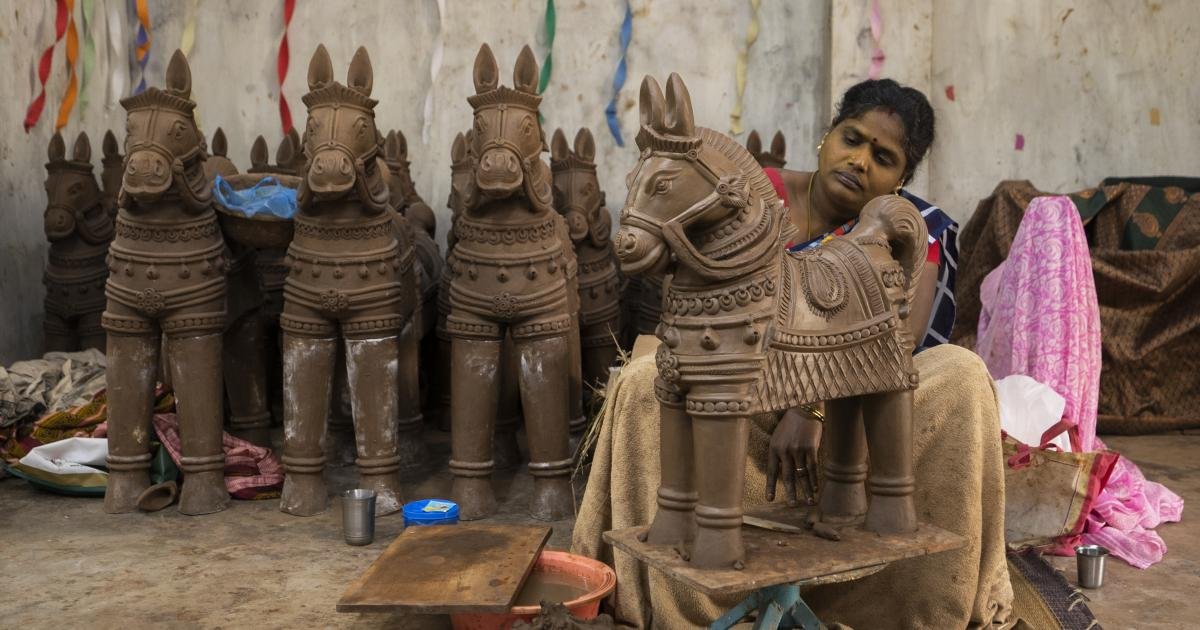
Puducherry offers a distinctive craft environment influenced by Tamil traditions, coastal life and its historic French character. The region is associated with pottery, textiles, palm-leaf craft, handmade paper and decorative handicrafts.
Craft experiences in Puducherry can be combined with heritage walks, architecture, cafés, coastal experiences and visits to local creative communities, making the destination particularly interesting for travellers looking beyond conventional sightseeing.
Key craft centre: Puducherry.
IMAGE URL HERE — Add Lakshadweep handicrafts image
The island environment of Lakshadweep naturally influences its traditional craft practices. Coconut, shells and other locally available materials are used in a range of practical and decorative objects.
For travellers, these crafts provide an opportunity to understand the relationship between island communities, marine environments and everyday life.
Delhi is not associated with just one craft tradition. Its importance lies in its role as a cultural gateway where handicrafts, textiles and artistic traditions from different parts of India come together.
Dilli Haat is one of the most accessible places for travellers to discover crafts from different Indian states in one setting. Regional textiles, embroidery, jewellery, woodwork, metalwork, pottery and decorative objects are represented through participating artisan communities and craft sellers.
Delhi can therefore work as an ideal starting point for travellers interested in understanding India's craft diversity before continuing towards specific craft regions.
A well-designed cultural itinerary can combine Delhi's museums, historic neighbourhoods, markets and craft experiences before moving onwards to Rajasthan, Uttar Pradesh, Gujarat, Madhya Pradesh, Odisha, South India or the Himalayan states.
Explore Delhi with UnDMC →India's craft heritage becomes easier to understand when viewed through the cities and regions where particular traditions have developed. The following destinations can help international travellers build focused handicraft and cultural itineraries.
| City / Region | Signature Crafts |
|---|---|
| Srinagar | Pashmina, Papier-Mâché, Walnut Wood Carving |
| Kullu | Woollen Shawls |
| Chamba | Chamba Rumal |
| Almora | Aipan, Copper Craft |
| Amritsar | Phulkari |
| Panipat | Textiles |
| Jaipur | Blue Pottery, Meenakari |
| Sanganer | Block Printing |
| Bagru | Block Printing |
| Nathdwara | Pichhwai |
| Lucknow | Chikankari, Zardozi |
| Varanasi | Banarasi Silk, Zari |
| Moradabad | Brassware |
| Firozabad | Glass, Bangles |
| Bhadohi | Carpets |
| Khurja | Pottery |
| Madhubani | Madhubani Painting |
| Chanderi | Chanderi Textiles |
| Maheshwar | Maheshwari Sarees |
| Bagh | Bagh Printing |
| Bastar | Dhokra, Tribal Craft |
| Kutch | Embroidery, Textiles |
| Patan | Patola |
| Nirona | Rogan |
| Paithan | Paithani |
| Warli Region | Warli Painting |
| Kolhapur | Kolhapuri Chappals |
| Raghurajpur | Pattachitra |
| Cuttack | Silver Filigree |
| Pipili | Appliqué |
| Bishnupur | Terracotta |
| Shantiniketan | Leather, Crafts |
| Sualkuchi | Muga, Silk |
| Sarthebari | Bell Metal |
| Kohima | Tribal Weaving |
| Imphal | Moirang Phee |
| Aizawl | Puan, Bamboo |
| Agartala | Bamboo, Cane |
| Gangtok | Carpets, Himalayan Crafts |
| Machilipatnam | Kalamkari |
| Kondapalli | Wooden Toys |
| Pochampally | Ikat |
| Nirmal | Paintings, Wooden Toys |
| Channapatna | Wooden Toys |
| Bidar | Bidriware |
| Aranmula | Aranmula Kannadi |
| Kanchipuram | Silk |
| Thanjavur | Tanjore Painting |
| Swamimalai | Bronze |
| Panaji | Coconut, Cane, Wood |
Handicraft tourism becomes far more meaningful when travellers experience the people, places and processes behind the finished product. Instead of simply visiting a shop, travellers can discover how materials are transformed into objects that carry cultural meaning.
Meet artisans in their working environments and observe traditional techniques, tools and materials.
Go beyond products and understand the communities, families and traditions that keep craft knowledge alive.
Watch weaving, printing, carving, painting, pottery, embroidery, metalwork and other traditional techniques.
Where possible, purchase directly from makers or responsible craft organisations, creating a more meaningful connection with the craft.
Pair workshops with heritage walks, museums, historic cities, temples, forts, markets and architectural experiences.
Create itineraries around textiles, tribal crafts, royal traditions, pottery, embroidery, painting, jewellery or regional cuisine.
Handicraft tourism can contribute to more responsible and community-focused travel when experiences are designed around genuine local participation. A craft is not simply a souvenir; for many communities it represents knowledge passed from one generation to the next.
International tour operators can make craft experiences more meaningful by working with knowledgeable regional partners, choosing authentic workshops, encouraging respectful interaction with artisans and allowing adequate time for travellers to understand the craft rather than treating it as a quick shopping stop.
India's enormous geographical diversity has directly influenced the materials, techniques and visual language of its handicrafts. What grows naturally in a region, what communities traditionally produce and what historical trade routes brought into an area have all shaped local craft traditions.
Cold climates and access to wool have encouraged traditions such as Pashmina, woollen textiles, carpets and intricate woodwork.
Desert landscapes, vibrant communities and historic trade networks have contributed to colourful textiles, embroidery, block printing, mirrorwork, leather craft and jewellery.
The river plains have supported major textile, embroidery, brassware, pottery, carpet and silk traditions, including Banarasi weaving, Lucknow's Chikankari and Moradabad's metalwork.
Tribal communities have developed distinctive traditions using metal, wood, natural fibres, textiles and locally available materials, particularly visible in Bastar and neighbouring regions.
Temple culture, storytelling, textiles and regional painting traditions have contributed to crafts such as Pattachitra, Kantha, terracotta, appliqué, Dokra and other decorative arts.
Silk weaving, temple architecture, bronze casting, woodcraft, painting and traditional decorative arts are deeply connected with the cultural and religious landscapes of Tamil Nadu, Karnataka, Andhra Pradesh, Telangana and Kerala.
Bamboo, cane, natural fibres, handwoven textiles and indigenous materials form an important part of the craft traditions of Assam, Arunachal Pradesh, Nagaland, Manipur, Meghalaya, Mizoram, Tripura and Sikkim.
For international travellers, handicrafts can become the central theme of a multi-destination journey rather than a small part of a conventional sightseeing itinerary. These craft routes can be adapted according to travel duration, season, interests and regional connectivity.
Delhi → Jaipur → Varanasi → Lucknow → Kolkata
A journey through royal textiles, block printing, Banarasi silk, Chikankari, embroidery and eastern Indian craft traditions.
Ahmedabad → Patan → Bhuj → Kutch → Nirona
Explore Patola weaving, Kutch embroidery, mirrorwork, Ajrakh, leather traditions, Rogan painting and village-based craft communities.
Bhubaneswar → Puri → Raghurajpur → Pipili → Cuttack → Sambalpur
Combine Pattachitra, appliqué, silver filigree, textiles, temple traditions and regional craft villages.
Chennai → Kanchipuram → Thanjavur → Swamimalai → Madurai
Discover silk weaving, Tanjore painting, bronze casting, temple crafts and southern textile traditions.
Bhopal → Jabalpur → Chhattisgarh → Bastar
Experience tribal painting, metalwork, Dhokra, woodcraft, textiles and community-based craft traditions.
Delhi → Uttarakhand → Himachal Pradesh → Kashmir
Explore Aipan, woollen traditions, Himalayan textiles, wood carving, Papier-Mâché, carpets and Pashmina.
For international tour operators, designing a meaningful handicraft itinerary across India requires more than simply adding a craft market to an existing tour. Craft traditions are regional, community-based and often connected with specific towns, villages and artisan clusters.
UnDMC works as a regional destination management platform connecting foreign tour operators with India's regional destination expertise. This makes it possible to create more focused, authentic and operationally practical cultural experiences across multiple Indian states.
Build programmes around specific craft regions rather than generic shopping stops, with local knowledge of destinations, communities and experiences.
Craft-focused itineraries can include workshops, demonstrations, artisan meetings, village visits and opportunities to understand traditional production techniques.
Combine several craft regions into one seamless India itinerary, whether the focus is textiles, embroidery, tribal crafts, royal traditions, painting, metalwork or pottery.
International travel companies can use regional expertise to build culturally rich, logistically practical and professionally operated India programmes for their clients.
If your clients are looking for a more immersive India experience, craft tourism can become a powerful way to connect destinations, communities, history, cuisine and culture. UnDMC can help international travel businesses develop region-specific and multi-state programmes around India's living craft traditions.
Some of India's best-known handicrafts include Pashmina and Papier-Mâché from Kashmir, Phulkari from Punjab, Chikankari and Zardozi from Uttar Pradesh, Banarasi silk from Varanasi, block printing from Rajasthan, Madhubani painting from Bihar, Dhokra from Central and Eastern India, Pattachitra from Odisha, Patola from Gujarat, Paithani from Maharashtra, Channapatna toys from Karnataka and Kanchipuram silk from Tamil Nadu.
India has many famous craft cities rather than one single handicraft capital. Jaipur, Srinagar, Lucknow, Varanasi, Moradabad, Bhadohi, Kutch, Cuttack, Raghurajpur, Channapatna, Kanchipuram and many other destinations are strongly associated with particular craft traditions.
Almost every Indian state has distinctive handicraft traditions. Rajasthan, Gujarat, Uttar Pradesh, Jammu & Kashmir, Odisha, West Bengal, Bihar, Madhya Pradesh, Chhattisgarh, Karnataka, Tamil Nadu, Kerala and the Northeast are particularly rich in diverse textile, painting, metal, wood, pottery and natural-fibre crafts.
Travellers can experience Indian handicrafts in artisan villages, workshops, craft clusters, museums, cultural centres, local markets and specialised craft destinations. Experiences can be incorporated into itineraries in places such as Kashmir, Rajasthan, Lucknow, Varanasi, Kutch, Odisha, Central India, the Northeast and South India.
Handicrafts help travellers understand India's regional cultures, communities, history, materials and traditional knowledge. Craft experiences can also create opportunities for travellers to meet artisans and support local economies while experiencing a more authentic side of India beyond conventional sightseeing.
DISCOVER INDIA THROUGH ITS LIVING CRAFTS
From the valleys of Kashmir to the colours of Rajasthan and Gujarat, from the artisan villages of Odisha to the tribal craft traditions of Central India, and from the silk looms of South India to the bamboo and weaving traditions of the Northeast, India's handicrafts reveal the country's extraordinary cultural diversity.
A journey through Indian handicrafts is therefore more than a shopping experience. It is a journey through communities, landscapes, history, skills and living traditions.
One India. Many regions. Countless crafts.
Discover India's creative heritage with UnDMC — your regional B2B destination management partner for India.
Partner with UnDMC