
Discover the magic of Ayodhya during Deepotsav, when sacred ghats, ancient temples and the banks of the Saryu River glow with thousands of lamps in one of India's most remarkable cultural celebrations.
There are moments in India that are difficult to describe in words. You can photograph them, film them and tell someone about them afterwards, yet the experience of actually being there is something different.
Ayodhya Deepotsav is one of those experiences. As evening approaches, the ancient city begins to glow, the ghats come alive and the sacred Saryu reflects the light of countless diyas.
For travellers interested in Indian culture, heritage, spirituality and authentic local experiences, Deepotsav offers an extraordinary opportunity to experience Ayodhya beyond conventional sightseeing.
Ayodhya is deeply associated with the story of Lord Ram, and Deepotsav celebrates the traditional story of his return to Ayodhya after fourteen years of exile.
The lighting of diyas represents the triumph of light over darkness and good over evil. What makes the celebration particularly special is the way this ancient story continues to live through the city's rituals, temples, people and traditions.
For a traveller, Deepotsav is therefore much more than a spectacular festival. It is an opportunity to discover the cultural landscape of one of India's most significant heritage destinations.
During Deepotsav, Ayodhya itself becomes part of the celebration. Temples, streets, markets, ghats and riverside spaces take on a festive atmosphere, allowing visitors to experience the city rather than simply watch an event.
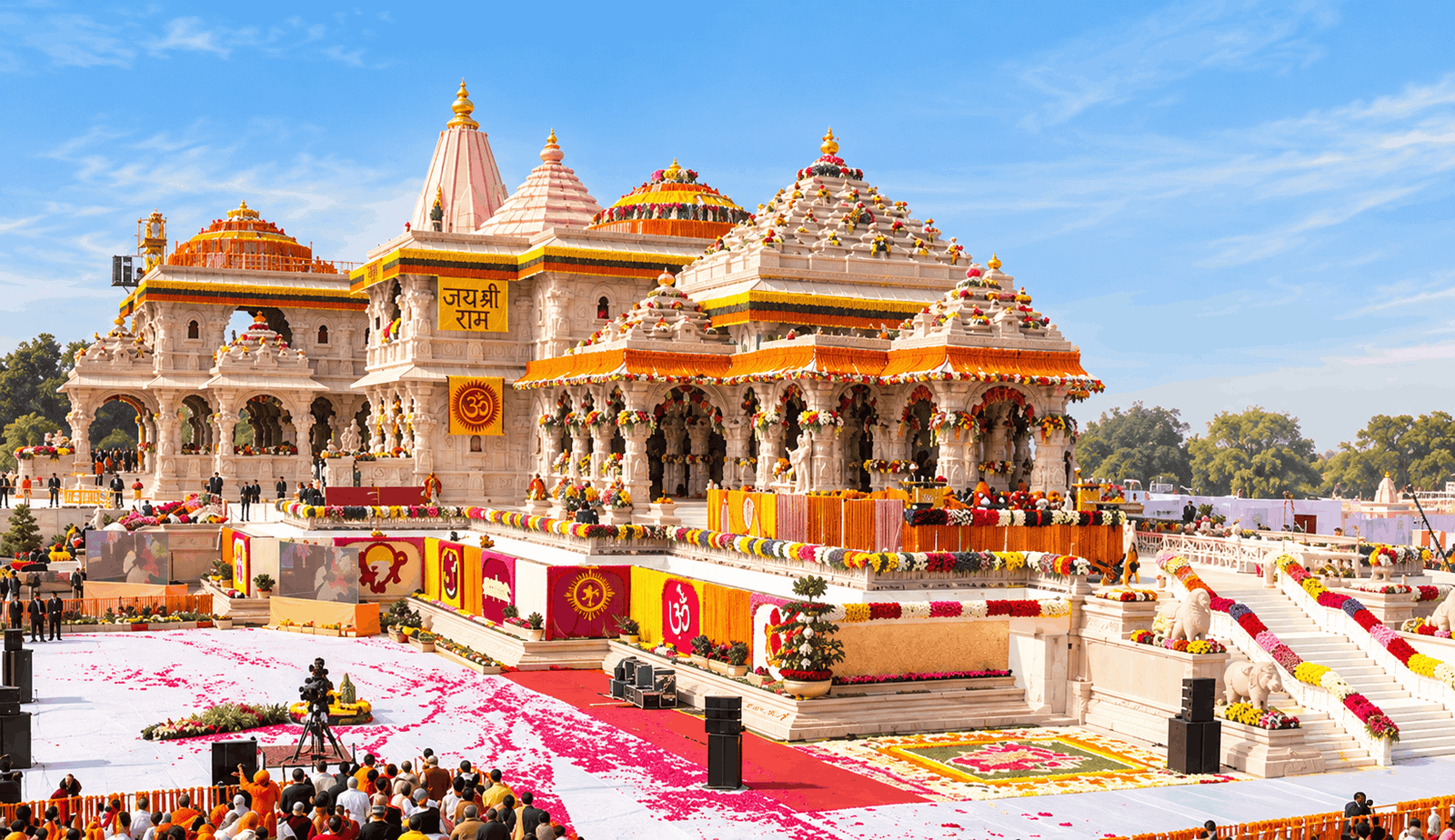
The best way to experience Deepotsav is to spend time discovering Ayodhya before the lamps are lit.
Explore important landmarks associated with the city's spiritual and cultural heritage, including Shri Ram Janmabhoomi, Hanuman Garhi, Kanak Bhawan and Ram Ki Paidi.
Walking through Ayodhya also reveals a more personal side of the destination: local markets, traditional sweets, crafts and everyday life.
For travellers planning an India cultural holiday, these smaller encounters often become as memorable as the major landmarks.
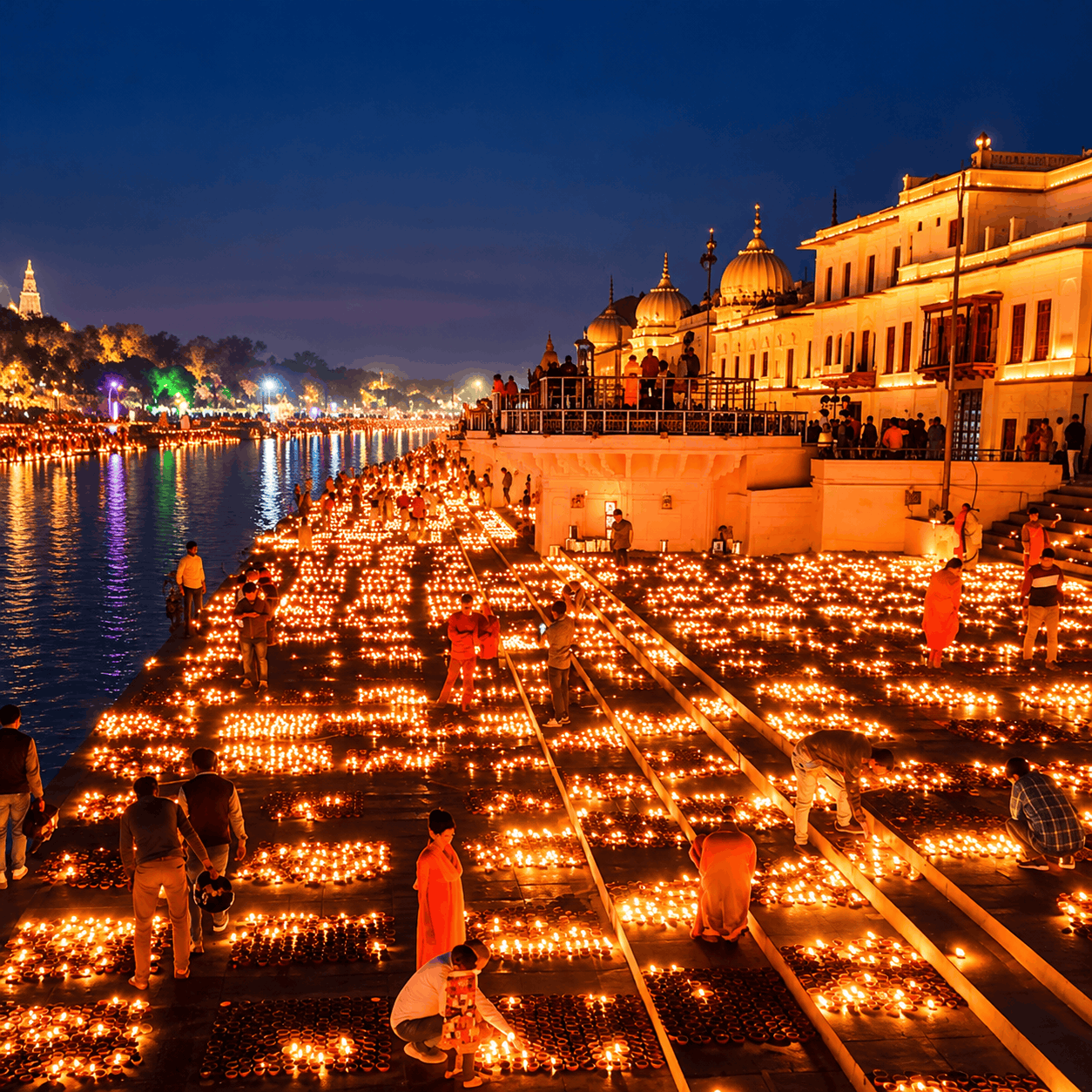
Flowing alongside Ayodhya, the Saryu River is much more than a scenic backdrop. It has a deep place in the spiritual and cultural identity of the city and remains central to many traditional rituals.
At Ram Ki Paidi, visitors can watch pilgrims perform rituals, sit beside the river or simply observe the atmosphere as the day changes into evening.
During Deepotsav, the Saryu becomes the centrepiece of the celebration. The illuminated riverfront and reflections of countless diyas create one of the most memorable sights of an Ayodhya cultural tour.
As daylight fades, the atmosphere beside the Saryu changes. Visitors gather along the riverfront as the traditional Saryu Aarti begins.
Priests perform sacred rituals with lamps and incense while devotional chants and temple bells fill the evening air. The glow of the aarti against the river creates a peaceful and deeply atmospheric experience.
During the wider Deepotsav celebrations, the Saryu Aarti becomes even more striking as the illuminated ghats and riverside celebrations create a remarkable setting.
Arrive before the ceremony, find a place beside the river and watch Ayodhya transition from day to evening. The bells begin to ring, the lamps appear and the riverfront gradually begins to glow. These quieter moments reveal another side of Ayodhya.
As evening approaches, the atmosphere across Ayodhya becomes increasingly festive. The city's temples, streets and ghats fill with activity while visitors gather to experience one of India's most distinctive celebrations.
The sight of thousands of earthen lamps illuminating the riverfront is undoubtedly the visual highlight, but the wider festival offers much more: devotional ceremonies, cultural performances, music, traditional celebrations and the opportunity to witness local traditions in a truly vibrant setting.
For travellers interested in India travel, cultural heritage, religious tourism and authentic experiences, Deepotsav offers a rare chance to see tradition being celebrated on a remarkable scale.
A meaningful Ayodhya journey goes beyond temples and photographs. These experiences help visitors understand the character of the city.
Experience Deepotsav, illuminated ghats and the atmosphere of Ayodhya after sunset.
Discover temples, sacred landmarks and stories connected with Ayodhya's ancient traditions.
Discover traditional sweets, local snacks and vegetarian flavours during your Ayodhya journey.
Spend time beside the sacred river and experience the evening Saryu Aarti.
No cultural journey through India is complete without exploring its food. Ayodhya offers simple vegetarian flavours, traditional sweets and festive treats that form an important part of the local experience.
Traditional sweets • Kachori • Chaat • Jalebi • Poori-Sabzi • Seasonal treats • Vegetarian Indian cuisine • Chai
Rather than treating food as simply another meal, make it part of the journey. A traditional sweet shop, a cup of chai after an evening walk or a local snack discovered between temple visits can provide a more personal connection with the destination.
A well-planned festival tour should leave enough time to discover Ayodhya without rushing from one attraction to another.
Arrive in Ayodhya and settle into your accommodation. Explore Shri Ram Janmabhoomi, Hanuman Garhi, Kanak Bhawan and other important cultural landmarks before enjoying a relaxed evening by the Saryu.
Spend the day exploring Ayodhya's cultural celebrations. As evening approaches, head towards Ram Ki Paidi and the Saryu riverfront to experience the illuminated ghats, devotional ceremonies and the spectacular atmosphere of Deepotsav.
Enjoy a relaxed morning and discover local markets, food or additional heritage sites before continuing your India journey towards Varanasi, Lucknow or another destination.
For travellers looking to explore more of North India's spiritual and cultural heritage, Ayodhya and Varanasi make a compelling combination.
After experiencing the illuminated ghats of the Saryu, continue to Varanasi and discover the timeless atmosphere of the Ganges. Explore the ancient lanes, discover Banarasi weaving, visit Sarnath and experience the famous Ganga Aarti.
The two destinations offer different experiences, yet both reveal the living traditions that make India such a fascinating destination for cultural travel.
For international visitors, Ayodhya offers an opportunity to experience a side of India that goes beyond the country's best-known monuments. Its religious traditions, living heritage, local food and riverfront rituals create a more immersive cultural journey.
Travellers planning an India holiday often look for experiences that allow them to connect with local culture rather than simply move between famous landmarks. Ayodhya Deepotsav fits naturally into this style of travel.
A carefully planned private India tour can combine the festival with heritage sightseeing, local food experiences and other destinations across North India.
Experiencing a major Indian festival can be extraordinary, but festival travel also requires thoughtful planning. Accommodation, transport, guides, sightseeing timings, local arrangements and crowd management all need to work together.
A local Destination Management Company in India can coordinate the details while creating an itinerary around the interests, pace and expectations of the traveller.
This is particularly useful when Ayodhya forms part of a longer journey through Uttar Pradesh, Varanasi, Lucknow, Delhi or the Golden Triangle.
The strongest India itineraries combine iconic landmarks with local experiences that reveal the stories, traditions, flavours and people behind the destination.
With strong regional knowledge and on-ground coordination, UnDMC can help travel partners create meaningful India programmes that go beyond standard sightseeing.
Ayodhya Deepotsav is a major cultural and religious celebration in Ayodhya associated with the traditional story of Lord Ram's return to the city. The festival is known for the illumination of the riverfront with diyas and a wider programme of cultural and devotional celebrations.
The celebration is associated with Lord Ram's return to Ayodhya after fourteen years of exile. The lighting of diyas symbolises the triumph of light over darkness and good over evil.
The Saryu has a deep spiritual and cultural connection with Ayodhya. The riverfront and Ram Ki Paidi are important places for traditional rituals, evening ceremonies and the wider Deepotsav celebrations.
The Saryu Aarti is an evening riverfront ceremony involving traditional rituals, lamps, incense, devotional chants and prayers. It offers visitors a meaningful glimpse into Ayodhya's spiritual traditions.
Visitors can explore Shri Ram Janmabhoomi, Hanuman Garhi, Kanak Bhawan, Ram Ki Paidi and the Saryu riverfront, while also experiencing local food, markets, temple traditions and cultural activities.
Yes. Ayodhya and Varanasi make a strong cultural combination. Travellers can experience Ayodhya's temples and Saryu riverfront before continuing to Varanasi for the Ganges, heritage, crafts and Ganga Aarti.
Yes. Ayodhya offers a combination of living traditions, spiritual experiences, heritage landmarks, local food and riverfront rituals, making it particularly interesting for travellers seeking a deeper cultural experience of India.
A local DMC can coordinate transport, accommodation, guides, sightseeing, local suppliers and festival arrangements while helping create a seamless and well-paced India itinerary.
From the glow of Deepotsav to the serenity of the Saryu, discover Ayodhya through meaningful cultural experiences and locally informed travel planning with UnDMC India.
Partner With Us