
Odisha
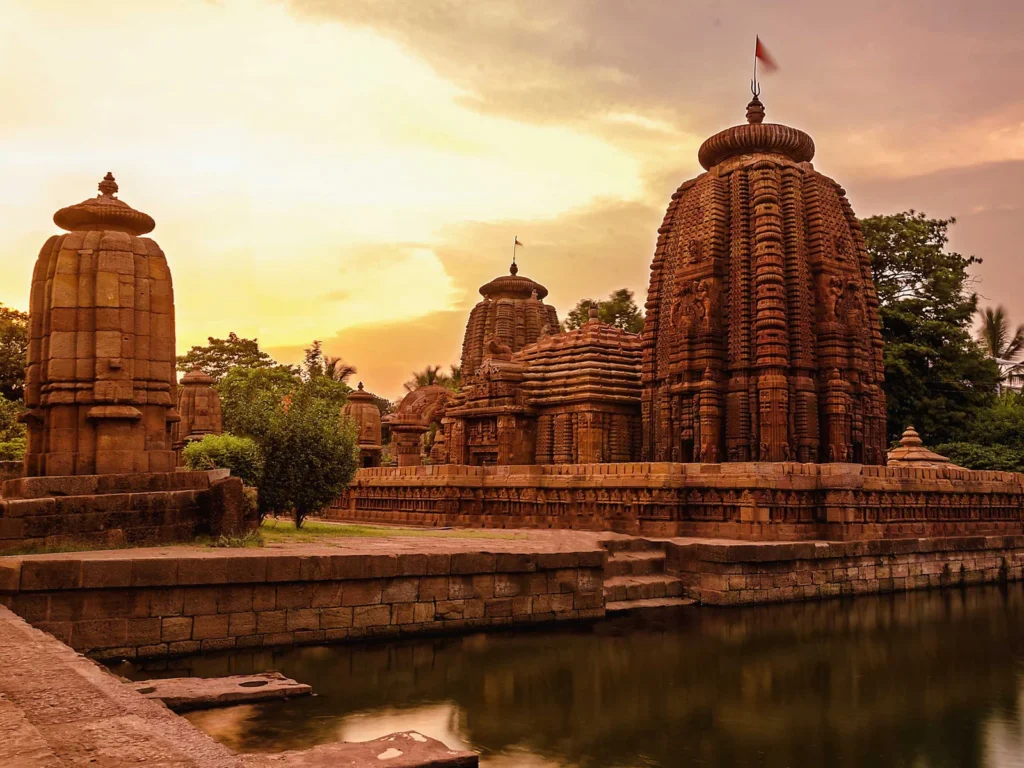
Odisha Experience the Land of Lord Jagannath, Living Traditions & Natural Beauty Explore Odisha, where centuries-old temples, UNESCO World Heritage Sites, pristine beaches, vibrant wildlife, tranquil lakes, and rich cultural traditions come together. From the sacred Jagannath Temple and the architectural marvel of Konark Sun Temple to Chilika Lake and Simlipal National Park, every journey through Odisha offers unforgettable experiences. Discover Odisha with UNDMC INDIA. Partner with Us Explore How It Works Discover Ancient Temples, Coastal Wonders & Timeless Heritage A Mosaic of Heritage and Nature Odisha, located along the eastern coast of India on the Bay of Bengal, is a destination where ancient heritage, vibrant traditions, and breathtaking natural beauty come together. The state capital, Bhubaneswar, is often called the “Temple City of India” for its remarkable collection of historic temples and architectural treasures. From magnificent temples and UNESCO World Heritage Sites to pristine beaches, tranquil lakes, dense forests, and thriving wildlife, Odisha tourism offers experiences that appeal to every kind of traveller. Whether you’re seeking spiritual journeys, cultural discoveries, coastal escapes, or wildlife adventures, Odisha welcomes you with timeless traditions, warm hospitality, and unforgettable landscapes. A Glimpse into Timeless Elegance Odisha is renowned for its extraordinary temple architecture, reflecting centuries of artistic excellence and spiritual devotion. The distinctive Kalinga style of architecture has earned global recognition for its intricate carvings, soaring towers, and remarkable craftsmanship. Among the state’s most iconic landmarks is the Jagannath Temple in Puri, one of India’s most revered pilgrimage sites dedicated to Lord Jagannath (Lord Krishna). Its magnificent architecture and the world-famous Rath Yatra attract millions of pilgrims and visitors every year. Equally remarkable is the Konark Sun Temple, a UNESCO World Heritage Site and one of India’s greatest architectural masterpieces.Designed as a colossal stone chariot dedicated to the Sun God Surya, the temple is adorned with intricately carved wheels, sculptures, and decorative motifs that showcase the brilliance of ancient Odishan craftsmanship. History enthusiasts can also explore the Udayagiri and Khandagiri Caves, dating back to the 2nd century BCE. These remarkable rock-cut caves, once home to Jain monks, feature meditation chambers, detailed carvings, and ancient inscriptions that provide fascinating insights into Odisha’s early religious and cultural heritage. A Wetland of Global Significance One of Odisha’s greatest natural treasures is Chilika Lake, Asia’s largest coastal lagoon and one of the country’s most important wetlands. Rich in biodiversity, Chilika serves as a seasonal home to thousands of migratory birds, including flamingos, pelicans, and numerous other species arriving from across the world. The lake is also famous for its population of the endangered Irrawaddy dolphins, making boat safaris a memorable experience for wildlife lovers and birdwatchers alike. Further south, the picturesque Koraput Valley presents a completely different landscape. Rolling hills, lush forests, cascading waterfalls, and traditional tribal villages combine to create one of Odisha’s most scenic regions. Visitors can enjoy nature walks, cultural encounters, and panoramic views while experiencing the unique traditions of the indigenous communities. Where the Earth Meets the Sky Stretching for more than 480 kilometres, Odisha’s coastline is home to some of India’s most beautiful and unspoilt beaches. Puri Beach remains one of the state’s most popular seaside destinations, known for its golden sands, vibrant atmosphere, and spectacular sunrises. Further south, Gopalpur-on-Sea offers a quieter coastal escape, ideal for travellers looking to relax beside the Bay of Bengal. Away from the coast, Simlipal National Park showcases Odisha’s extraordinary natural heritage. One of India’s earliest tiger reserves, the park is home to Royal Bengal Tigers, elephants, leopards, deer, and hundreds of bird species. Dense forests, waterfalls, and scenic safari routes make Simlipal a paradise for wildlife enthusiasts and photographers. As evening falls, the sunset over Chilika Lake creates one of Odisha’s most breathtaking natural spectacles, with vibrant colours reflecting across the tranquil waters. Treasure in Every Corner Every corner of Odisha reveals a unique blend of history, culture, craftsmanship, and local traditions. Bhubaneswar combines ancient heritage with modern urban life. Visitors can admire architectural marvels such as the Lingaraj Temple, Mukteshwar Temple, and the beautifully landscaped Ekamra Kanan Botanical Gardens, each highlighting a different aspect of the city’s rich cultural identity. The sacred town of Puri offers far more than its famous temple. Its lively streets, bustling beachfront, local markets, and traditional Odia cuisine create an atmosphere that appeals to pilgrims and leisure travellers alike. Visitors can browse local handicrafts, sample authentic street food, or simply enjoy a leisurely walk along the shoreline. Known as the Silver City of India, Cuttack is celebrated for its world-famous silver filigree craftsmanship. The city also boasts attractions such as the historic Barabati Fort and the scenic banks of the Mahanadi River, adding further depth to its cultural appeal. Art lovers should not miss Raghurajpur, a heritage crafts village renowned for its exquisite Pattachitra paintings. Walking through its colourful lanes offers the opportunity to watch master artisans at work, preserving one of Odisha’s oldest and most celebrated art forms through generations. Seek Thrills in the Heart of Nature Odisha offers far more than spiritual landmarks and scenic landscapes—it is also an exciting destination for adventure enthusiasts. Along the coast, Puri Beach has become a popular spot for surfing, thanks to its consistent waves and refreshing sea breeze. Surfing schools and equipment rentals make it easy for both beginners and experienced surfers to enjoy the Bay of Bengal. The Eastern Ghats present excellent opportunities for trekking through dense forests, cascading waterfalls, and traditional tribal villages. One of the state’s most rewarding hiking experiences is the trek to Deomali Peak, the highest mountain in Odisha, where panoramic views of the surrounding hills await adventurous travellers. For those seeking water-based adventures, Tikhali, located near the Satkosia Tiger Reserve, offers exhilarating white-water rafting on the Mahanadi River. The river’s exciting rapids provide an unforgettable experience for adventure lovers. History and nature come together at the Chausathi Yogini Temple near Hirapur. Reached via a short walk through a peaceful wooded area, this unique circular temple is admired for its remarkable stone sculptures and
Sikkim
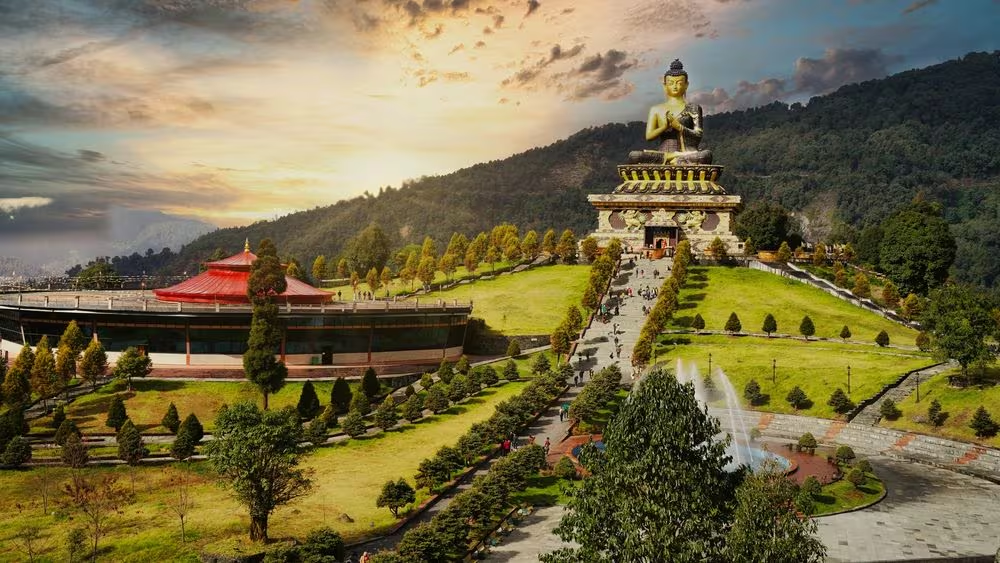
Sikkim Experience the Land Where Nature and Culture Unite Nestled in the Eastern Himalayas, Sikkim is a breathtaking destination of snow-capped peaks, sacred monasteries, pristine alpine lakes, colourful festivals and vibrant mountain culture. From the majestic Kanchenjunga and Tsomgo Lake to ancient Buddhist monasteries and scenic valleys, every journey through Sikkim offers unforgettable experiences amidst nature and spirituality. Partner with Us Explore How It Works Discover Himalayan Serenity, Timeless Monasteries & Natural Wonders Nature and Culture Unite Here Nestled in the pristine Eastern Himalayas, Sikkim is one of India’s most picturesque destinations, offering an extraordinary blend of snow-capped mountains, emerald valleys, glacial lakes, ancient monasteries and vibrant cultural traditions. Home to the majestic Kanchenjunga, the world’s third-highest peak, Sikkim captivates travellers with its untouched natural beauty and peaceful atmosphere. Whether you’re seeking thrilling Himalayan adventures, spiritual retreats, scenic landscapes or authentic cultural experiences, Sikkim promises unforgettable memories in every season. Timeless Heritage and Buddhist Legacy Sikkim’s rich heritage is deeply rooted in its Buddhist traditions and royal history. The state is home to centuries-old monasteries, sacred sites and historical landmarks that reflect its spiritual and cultural significance. Explore the historic Dubdi Monastery, the oldest monastery in Sikkim, discover the ruins of Rabdentse, the former capital of the Kingdom of Sikkim, and visit the magnificent Pemayangtse Monastery, renowned for its intricate wooden carvings and breathtaking Himalayan views. Every monastery and heritage site tells the story of Sikkim’s peaceful past and enduring spiritual legacy. Nature’s Himalayan Paradise Sikkim is a paradise for nature lovers, offering spectacular landscapes, alpine meadows, crystal-clear lakes and snow-covered mountain peaks. The iconic Tsomgo Lake, nestled at an altitude of over 12,000 feet, is among the state’s most visited attractions. Visitors can also explore the pristine Menmecho Lake, the tranquil Lampokhari Lake and the breathtaking Yumthang Valley, famously known as the “Valley of Flowers.” Dense forests, colourful rhododendrons, waterfalls and panoramic mountain views make every journey through Sikkim truly unforgettable. Healing Hot Springs and Wellness Sikkim is home to several naturally occurring sulphur-rich hot springs known for their therapeutic properties. Popular wellness destinations include Yumthang Hot Spring, Reshi Hot Spring, Borong Hot Spring, Ralong Hot Spring and Yume Samdong Hot Spring, where visitors can relax amidst pristine Himalayan surroundings while enjoying nature’s healing touch. Spiritual Experiences Sikkim offers a deeply spiritual atmosphere through its peaceful monasteries, sacred lakes and Buddhist traditions. Visitors can experience tranquillity at Rumtek Monastery, Tashiding Monastery, Enchey Monastery and Pemayangtse Monastery while witnessing colourful prayer flags, chanting monks and centuries-old rituals that define Sikkim’s unique spiritual identity. Festivals and Cultural Celebrations Sikkim celebrates a vibrant calendar of festivals reflecting its multicultural heritage. Major festivals include Losar, Losoong, Pang Lhabsol, Saga Dawa, Maghe Sankranti, Sonam Lochar, Ram Navami, Durga Puja, Diwali, Christmas and Tamu Lochar. These colourful celebrations showcase traditional music, masked dances, local cuisine and community spirit, making every festival a memorable cultural experience. Flavours of Sikkim Sikkim’s cuisine is a delightful blend of Tibetan, Nepali and Lepcha culinary traditions. Popular dishes include Momos, Thukpa, Phagshapa, Kinema, Gundruk, Ningro, Bamboo Shoot Curry and Sel Roti. Locally brewed beverages like Tongba and Chaang further enrich the state’s unique gastronomic heritage. Organic farming and locally sourced ingredients make Sikkim one of India’s healthiest culinary destinations. Major Tourist Attractions in Sikkim Some of the most popular places to visit include: Gangtok Tsomgo Lake Nathula Pass Yumthang Valley Gurudongmar Lake Pelling Ravangla Namchi Rumtek Monastery Pemayangtse Monastery Rabdentse Ruins Zuluk Yuksom Khangchendzonga National Park Adventure Tourism in Sikkim Sikkim offers world-class adventure experiences including trekking, mountain biking, river rafting, paragliding, camping and high-altitude expeditions. Popular adventure destinations include Goecha La Trek, Dzongri Trek, Teesta River Rafting, Nathula Pass and the scenic Silk Route. Adventure enthusiasts can enjoy breathtaking Himalayan landscapes while exploring one of India’s most pristine mountain destinations. Best Time to Visit Sikkim Sikkim is a year-round destination. March to June is ideal for sightseeing, blooming flowers and pleasant weather. October to December offers crystal-clear Himalayan views. December to February is perfect for snowfall experiences. July to September transforms the valleys into lush green landscapes, though occasional rainfall can occur.
WEST BENGAL
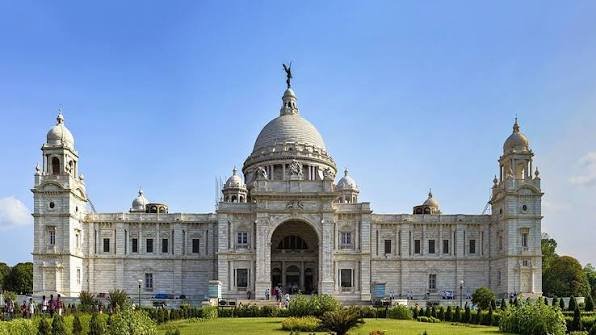
West Bengal Experience the Soul of West Bengal From the colonial charm of Kolkata and the misty tea gardens of Darjeeling to the mystical Sundarbans and the artistic legacy of Bishnupur, West Bengal invites you to experience a captivating blend of history, spirituality, culture and nature. Discover vibrant festivals, world-famous cuisine and unforgettable journeys with UNDMC INDIA. Partner with Us Explore How It Works Discover Timeless Heritage, Cultural Grandeur & Natural Wonders A Cultural Kaleidoscope Situated in eastern India, West Bengal is a land where history, culture, spirituality and natural beauty come together in perfect harmony. Home to the vibrant metropolis of Kolkata, the majestic Himalayas of Darjeeling and the enchanting mangrove forests of the Sundarbans, West Bengal offers an extraordinary blend of heritage and modernity. From colonial architecture and centuries-old temples to colourful festivals, tea gardens and world-famous cuisine, every corner of West Bengal tells a fascinating story. Whether you are a history enthusiast, nature lover, spiritual seeker or food explorer, the state promises unforgettable experiences throughout the year. Rich Heritage and Historical Legacy West Bengal has been at the heart of India’s cultural and intellectual renaissance for centuries. The state is home to magnificent architectural landmarks, colonial monuments and ancient temple towns that reflect its glorious past. Visitors can admire the grandeur of the iconic Victoria Memorial in Kolkata, explore the terracotta temples of Bishnupur, wander through the historic ruins of Gour and discover the architectural beauty of Hazarduari Palace in Murshidabad. Every monument narrates stories of powerful dynasties, colonial influence and the Bengal Renaissance that shaped modern India. Nature’s Diverse Wonders West Bengal offers remarkable natural diversity, from the snow-covered Himalayan landscapes of Darjeeling to the world’s largest mangrove forest in the Sundarbans. The picturesque tea gardens of Darjeeling provide breathtaking mountain views, while the UNESCO World Heritage-listed Sundarbans National Park is home to the majestic Royal Bengal Tiger and extraordinary biodiversity. Nature lovers can also explore Dooars, Kalimpong, Neora Valley National Park, Jaldapara National Park and the serene beaches of Digha and Mandarmani. A Spiritual Journey West Bengal is home to some of India’s most revered pilgrimage destinations and spiritual landmarks. The famous Kalighat Temple and Dakshineswar Kali Temple attract millions of devotees every year, while Belur Math, the headquarters of the Ramakrishna Mission, offers peace and spiritual reflection on the banks of the Hooghly River. Other sacred destinations include Tarapith Temple, Mayapur ISKCON, Furfura Sharif and numerous centuries-old temples spread across the state. Arts, Culture and Literary Heritage West Bengal has long been regarded as India’s cultural capital. The state gave birth to Nobel Laureate Rabindranath Tagore and legendary filmmaker Satyajit Ray, whose contributions continue to inspire the world. Traditional art forms such as Kalighat Paintings, Terracotta Art, Kantha Embroidery and Dokra Craft showcase Bengal’s artistic excellence. Music lovers can experience the soulful melodies of Baul music, Rabindra Sangeet and Indian classical traditions, while folk performances like Chhau dance continue to preserve Bengal’s rich cultural identity. Festivals and Celebrations West Bengal celebrates festivals with unmatched enthusiasm and grandeur. Durga Puja, recognised by UNESCO as an Intangible Cultural Heritage, transforms the entire state into a spectacular celebration of art, devotion and community spirit. Other major festivals include Kali Puja, Saraswati Puja, Lakshmi Puja, Poila Boishakh, Rath Yatra and Christmas celebrations in Kolkata, making the state a year-round destination for cultural festivities. Flavours of West Bengal West Bengal is celebrated worldwide for its rich culinary heritage. From traditional Bengali fish delicacies like Hilsa, Prawn Malai Curry and Paturi to vegetarian favourites such as Shukto and Cholar Dal, every meal reflects authentic regional flavours. The state’s iconic sweets including Rasgulla, Sandesh, Mishti Doi, Rasmalai and Pithe are loved across the globe and remain an essential part of every visit. Shopping and Handicrafts West Bengal offers one of India’s finest shopping experiences. Visitors can shop for luxurious Baluchari and Tant sarees, Kantha embroidery, Dokra metal crafts, terracotta handicrafts and traditional Bengali jewellery. Famous shopping destinations include New Market, Gariahat Market, College Street and Dakshinapan in Kolkata, along with local artisan villages across the state. Major Tourist Attractions in West Bengal Some of the most popular destinations include: Kolkata Darjeeling Sundarbans National Park Victoria Memorial Dakshineswar Kali Temple Belur Math Bishnupur Kalimpong Dooars Digha Mandarmani Murshidabad Tarapith Mayapur Adventure and Eco-Tourism Adventure seekers can enjoy trekking in Sandakphu, river rafting in Teesta, wildlife safaris in Jaldapara and Gorumara National Parks, boating in the Sundarbans and mountain adventures in Darjeeling and Kalimpong. West Bengal’s diverse landscapes make it one of India’s most rewarding destinations for eco-tourism. Best Time to Visit West Bengal West Bengal can be visited throughout the year, though October to March is considered the best season for sightseeing and cultural experiences. Travellers wishing to witness the grandeur of Durga Puja should visit during September or October, while March to May offers pleasant weather in Darjeeling and the Himalayan region.
Jharkhand
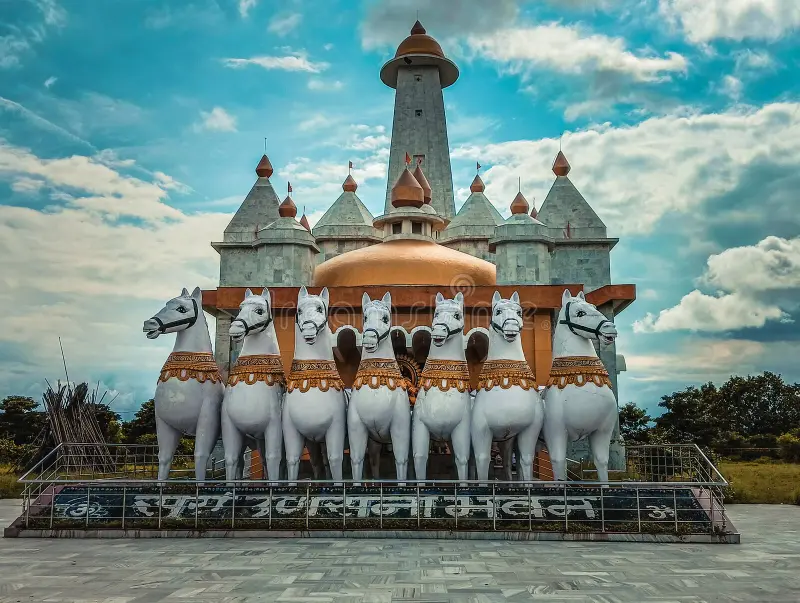
Jharkhand Where Waterfalls, Wilderness & Culture Come Alive Explore a destination blessed with majestic forests, wildlife sanctuaries, ancient temples, tribal traditions, and spectacular natural beauty. Experience the charm of India’s hidden gem where every journey reveals a new story. Partner with Us Explore How It Works Discover Untouched Wilderness, Tribal Heritage & Natural Wonders Where Culture Meets Nature Nestled in eastern India, Jharkhand is a land of dense forests, cascading waterfalls, ancient temples, rich tribal traditions and remarkable natural beauty. Blessed with abundant wildlife, scenic hills, tranquil lakes and vibrant indigenous cultures, Jharkhand offers travellers an authentic experience far away from crowded tourist circuits. From the majestic Hundru Falls and the serene landscapes of Netarhat to the spiritual aura of Baidyanath Dham and Parasnath Hills, Jharkhand presents a fascinating blend of nature, heritage and spirituality. Whether you are a nature enthusiast, wildlife lover, pilgrim or cultural explorer, Jharkhand promises unforgettable journeys and unique discoveries. Rich Heritage and Historical Legacy Jharkhand’s rich heritage is reflected through its ancient forts, temples and archaeological treasures that narrate stories of bygone civilizations and tribal kingdoms. Among the state’s most remarkable heritage attractions are the Terracotta Temples of Maluti, renowned for their intricate craftsmanship and historical significance. Visitors can also explore the historic Palamu Fort, a magnificent structure surrounded by forests that stands as a reminder of the region’s glorious past. The architectural beauty of Birkitti Fort and several archaeological sites scattered across the state further highlight Jharkhand’s rich historical and cultural legacy. A Paradise for Nature and Wildlife Lovers Jharkhand is blessed with some of India’s most spectacular natural attractions. The state is home to dense forests, scenic valleys, rivers, waterfalls and wildlife sanctuaries that create a paradise for nature lovers. Hundru Falls, one of the tallest waterfalls in the state, plunges dramatically from a height of nearly 100 metres, creating a breathtaking spectacle. Equally enchanting are Jonha Falls and Dassam Falls, both offering stunning natural scenery and peaceful surroundings. Nature enthusiasts can visit Netarhat, often called the “Queen of Chhotanagpur,” famous for its mesmerizing sunrise and sunset views. The state is also dotted with beautiful lakes including Dimna Lake, Hazaribagh Lake and Raja Talab. Wildlife lovers can explore Dalma Wildlife Sanctuary, Betla National Park, Hazaribagh Wildlife Sanctuary, Koderma Wildlife Sanctuary, Palkot Wildlife Sanctuary and Mahuadanr Wolf Sanctuary, each offering unique opportunities to witness Jharkhand’s rich biodiversity. Spiritual Wonders of Jharkhand Jharkhand is home to some of India’s most revered pilgrimage destinations and sacred temples. The famous Baidyanath Dham in Deoghar, one of the twelve Jyotirlingas of Lord Shiva, attracts millions of devotees every year. Equally significant is Parasnath Hill, one of the holiest pilgrimage sites for the Jain community. Other important religious attractions include Naulakha Mandir, Rajrappa Temple, Jagannath Temple, Dewri Temple, Bhadrakali Temple and Kapilnath Temple. The ancient Buddhist stupas at Itkhori further add to the spiritual significance of the state, making Jharkhand a destination where multiple faiths coexist harmoniously. Tribal Culture and Living Traditions Jharkhand’s identity is deeply rooted in its tribal heritage. Home to numerous indigenous communities, the state preserves a vibrant cultural landscape rich in traditions, music, dance and folklore. Visitors can witness colourful tribal festivals, traditional lifestyles and unique customs that have been preserved for generations. The simplicity, warmth and cultural richness of Jharkhand’s tribal communities offer travellers a truly authentic cultural experience. Arts, Crafts and Cultural Heritage Jharkhand is renowned for its diverse artistic traditions and cultural expressions. Traditional dance forms such as Paika, Chhau, Santhal and Karma dance continue to thrive across the state, reflecting its rich cultural heritage. Folk music, tribal art and indigenous craftsmanship form an integral part of Jharkhand’s cultural identity. The state is also home to significant archaeological sites featuring prehistoric cave paintings, megalithic monuments and ancient rock art that provide fascinating insights into early human civilizations. Flavours of Jharkhand The cuisine of Jharkhand reflects the simplicity and richness of its local traditions. Prepared using locally sourced ingredients, traditional dishes offer a unique culinary experience. Popular delicacies include Dhuska, Pitha, Litti-Chokha, Sattu Paratha, Udad Dal, Kurthi Dal, Koinar Saag, Dubki and Khapra Roti. Traditional tribal recipes and local chutneys further enhance the state’s culinary diversity. Food lovers will find Jharkhand’s cuisine both authentic and memorable, offering flavours deeply connected to the land and its people. Festivals and Celebrations The festivals of Jharkhand beautifully showcase the state’s tribal traditions and cultural diversity. Rohini marks the beginning of the agricultural season, while Sarhul celebrates nature and the blooming of Sal trees. The Karam Festival is dedicated to Karam Devta and remains one of the most important tribal celebrations in the region. Other significant festivals include Tusu Parab, Bandana Festival and the widely celebrated Chhath Puja, which honours the Sun God and reflects the deep spiritual traditions of the region. These colourful celebrations provide visitors with an opportunity to experience Jharkhand’s vibrant cultural life firsthand. Major Tourist Attractions in Jharkhand Some of the most popular destinations in Jharkhand include: Hundru Falls Jonha Falls Dassam Falls Netarhat Parasnath Hill Baidyanath Dham Rajrappa Temple Dalma Wildlife Sanctuary Betla National Park Dimna Lake Hazaribagh Lake Maluti Temples Palamu Fort Itkhori Adventure and Eco-Tourism Jharkhand offers exciting opportunities for eco-tourism and outdoor adventures. Trekking through forest trails, wildlife safaris, birdwatching, camping and nature photography are among the popular activities available to travellers. The state’s forests, waterfalls and wildlife reserves make it an ideal destination for those seeking adventure amidst natural beauty. Best Time to Visit Jharkhand The best time to visit Jharkhand is from October to March, when the weather remains pleasant for sightseeing and outdoor activities. The monsoon season enhances the beauty of the state’s waterfalls and forests, while winter offers ideal conditions for exploring wildlife sanctuaries, heritage sites and pilgrimage destinations. Get a Free Travel Consultation Tell us about your travel plans and our destination experts will get back to you shortly. Submit Enquiry 🔒 Your information is secure. We usually respond within 24 hours.
Chhattisgarh
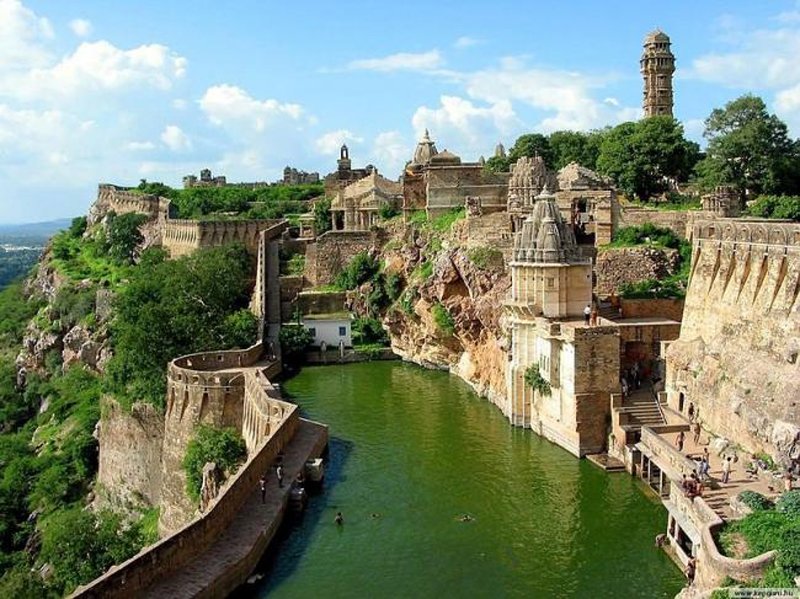
Chhattisgarh Where Nature, Culture & Ancient Traditions Come Alive Journey through spectacular waterfalls, sacred temples, dense forests, and living tribal traditions. Experience the authentic spirit of Central India in a destination rich in heritage, adventure and natural beauty. Partner with Us Explore How It Works Unravel the Mesmerising Beauty of Chhattisgarh Bhoramdeo Temple Discover Untouched Landscapes, Timeless Heritage & Tribal Traditions Located in the heart of India, Chhattisgarh is a land of breathtaking waterfalls, dense forests, ancient temples, vibrant tribal traditions and remarkable cultural heritage. Often referred to as one of India’s most unexplored destinations, Chhattisgarh offers travellers a unique opportunity to experience untouched natural beauty alongside centuries-old traditions and spiritual wonders. From the magnificent Chitrakote Falls, known as the Niagara of India, to the mysterious caves of Bastar and the sacred temples that echo with devotion, Chhattisgarh presents a fascinating blend of nature, culture and history. Whether you are a nature lover, wildlife enthusiast, spiritual seeker or cultural explorer, Chhattisgarh promises unforgettable experiences at every turn. Rich Heritage and Historical Legacy Chhattisgarh possesses a rich historical legacy that reflects the stories of ancient kingdoms, tribal communities and architectural brilliance. The region is dotted with ancient temples, forts, monuments and archaeological treasures that offer a glimpse into its glorious past. One of the state’s notable heritage attractions is Purani Basti in Raipur, home to historic structures and cultural landmarks that showcase the region’s traditional architecture and historical significance. Visitors can also explore the Mahant Ghasidas Memorial Museum, which houses an impressive collection of archaeological artefacts, sculptures, manuscripts and tribal exhibits that narrate the fascinating history of Chhattisgarh. The state’s historical heritage is further reflected in its ancient temples, royal traditions and tribal customs that continue to thrive even today. Mahant Ghasidas Memorial Museum A Paradise for Nature Lovers Chhattisgarh is blessed with spectacular landscapes, lush forests, pristine rivers and majestic waterfalls that make it a paradise for nature enthusiasts. The iconic Chitrakote Falls, often called the Niagara Falls of India, is the widest waterfall in the country and one of Chhattisgarh’s most spectacular attractions. Nearby, the beautiful Tirathgarh Falls cascades gracefully through the forests of Bastar, creating a mesmerizing natural spectacle. Nature lovers can explore the renowned Kanger Valley National Park, a biodiversity hotspot and one of India’s most scenic national parks. Home to rich wildlife, dense forests, caves, and waterfalls, the park offers unforgettable experiences for adventure seekers and photographers alike. Dalpat Sagar, one of the oldest and largest artificial lakes in the region, provides a peaceful setting for relaxation and recreation, while Ghatarani Waterfalls near Raipur offer another refreshing escape amidst nature. Spiritual Wonders of Chhattisgarh Chhattisgarh is home to numerous sacred sites and spiritual destinations that attract pilgrims and travellers seeking peace and reflection. Among the most revered temples is the historic Danteshwari Temple in Dantewada, dedicated to Goddess Danteshwari and considered one of the most important Shakti Peethas in India. The temple’s spiritual significance and beautiful architecture make it a major pilgrimage destination. The magnificent Bhoramdeo Temple, often referred to as the “Khajuraho of Chhattisgarh,” showcases exquisite stone carvings and remarkable architectural craftsmanship. Dating back centuries, this temple remains one of the state’s most treasured heritage monuments. Another fascinating attraction is the mysterious Kailash Cave and Kutumsar Cave, located deep within Kanger Valley National Park. These natural limestone caves are among the longest cave systems in India and offer visitors a unique underground adventure. Tribal Culture and Living Traditions One of Chhattisgarh’s greatest treasures is its vibrant tribal culture. The state is home to several indigenous communities that have preserved their customs, traditions, festivals and art forms for generations. Visitors have the opportunity to experience authentic tribal life, colourful festivals and unique cultural practices that continue to define the identity of the region. Traditional dance forms, folk music and community celebrations provide fascinating insights into the rich cultural fabric of Chhattisgarh. The famous Bastar region, in particular, is renowned for its tribal heritage and remains one of India’s most culturally distinctive destinations. Arts, Crafts and Handicrafts Chhattisgarh is celebrated for its exceptional craftsmanship and artistic traditions. The state is particularly famous for Bastar Art, Bell Metal Craft, Bamboo Craft and Kosa Silk weaving. Skilled artisans create intricate sculptures, decorative items, textiles and handicrafts that reflect centuries of artistic excellence. The traditional Bell Metal Craft of Bastar, produced using the ancient lost-wax technique, is admired across India and beyond. Equally remarkable are the state’s bamboo products, tribal jewellery and handwoven textiles that showcase the creativity and craftsmanship of local communities. The unique Godna Art tradition, inspired by traditional tribal tattoo patterns, adds another fascinating dimension to Chhattisgarh’s artistic heritage. Flavours of Chhattisgarh The cuisine of Chhattisgarh reflects the simplicity, diversity and richness of its cultural traditions. Local delicacies such as Chila, Faraa, Muthia and Aamat offer visitors an authentic taste of regional flavours. Rice remains a staple ingredient in many traditional dishes, while local herbs, spices and forest produce contribute to the distinct culinary identity of the state. Tilgur, a popular sweet preparation enjoyed during festivals, and traditional tribal recipes further enrich the gastronomic experiences available to travellers. For food enthusiasts, Chhattisgarh presents an opportunity to discover unique flavours deeply rooted in local traditions. Equally enchanting are the pristine lakes of Ladakh: Festivals and Celebrations The festivals of Chhattisgarh beautifully showcase the state’s cultural vibrancy and community spirit. Hareli, celebrated by farming communities, marks the arrival of greenery and agricultural prosperity. One of the most remarkable cultural events is the world-famous Bastar Dussehra, a unique 75-day festival dedicated to Goddess Danteshwari. Unlike traditional Dussehra celebrations elsewhere in India, Bastar Dussehra focuses on tribal rituals, cultural processions and spiritual ceremonies that have been observed for centuries. These colourful festivals provide visitors with an immersive experience of Chhattisgarh’s living traditions and cultural heritage. Adventure and Wildlife Experiences For adventure enthusiasts, Chhattisgarh offers a wide range of outdoor experiences. Visitors can enjoy cave exploration, wildlife safaris, trekking, birdwatching, camping and nature photography across the state’s forests, waterfalls and protected
Bihar
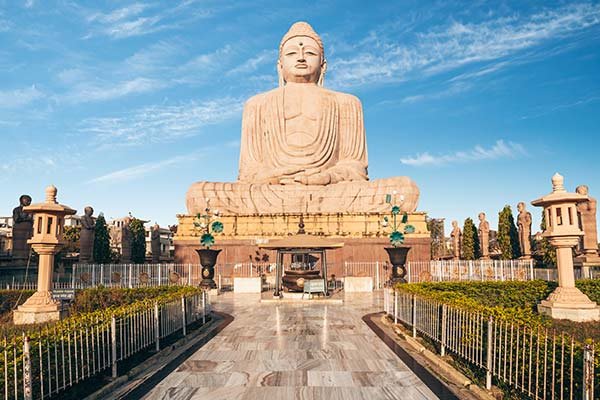
BIHAR Where Civilisations Flourished & Enlightenment Began Home to Bodh Gaya, Nalanda, Rajgir and Vaishali, Bihar invites travelers to explore centuries of history, spiritual awakening, cultural treasures and authentic experiences that continue to inspire the world. Partner with Us Explore How It Works Discover Ancient Civilisations, Spiritual Enlightenment & Timeless Heritage A Sanctuary for the Soul Bihar is one of India’s most historically significant and spiritually enriching destinations. Often regarded as the cradle of ancient civilisation, Bihar is home to some of the world’s most important religious, cultural and educational landmarks. From the sacred Bodhi Tree in Bodh Gaya, where Lord Buddha attained enlightenment, to the ruins of Nalanda Mahavihara, one of the world’s oldest universities, Bihar offers travellers a remarkable journey through history, spirituality and heritage. Blessed with ancient temples, sacred rivers, vibrant traditions, historic monuments and warm hospitality, Bihar attracts pilgrims, history enthusiasts, cultural explorers and leisure travellers alike. Whether you seek spiritual enlightenment, architectural marvels, traditional experiences or authentic cuisine, Bihar promises an unforgettable journey through India’s timeless legacy. Rich Heritage and Ancient Civilisations Bihar has played a pivotal role in shaping India’s cultural, religious and intellectual heritage. Historically known as the land of Magadha, Bihar witnessed the rise of powerful empires including the Mauryas and Guptas, which significantly influenced the course of Indian history. The state is home to Nalanda Mahavihara, a UNESCO World Heritage Site and one of the world’s earliest residential universities. Scholars from across Asia once travelled here to study philosophy, astronomy, medicine and literature. Vaishali, regarded as one of the world’s earliest republics, holds immense significance in both Buddhist and Jain traditions. Rajgir, the ancient capital of Magadha, is renowned for its historic monuments, sacred sites and scenic hills. The rich legacy of Bihar continues to be reflected through its archaeological treasures, ancient monasteries, stupas and temples that stand as enduring symbols of its glorious past. The Spiritual Heart of India Bihar is one of the world’s most important spiritual destinations and the birthplace of several religious traditions. Bodh Gaya is the most sacred Buddhist pilgrimage site in the world, where Lord Buddha attained enlightenment beneath the Bodhi Tree. The magnificent Mahabodhi Temple, a UNESCO World Heritage Site, attracts pilgrims and visitors from across the globe. Jainism also has deep roots in Bihar. Pawapuri, where Lord Mahavira attained Nirvana, remains one of the holiest destinations for followers of Jainism. The state is equally significant for Sikh pilgrims, with Takhat Sri Harmandir Sahib in Patna marking the birthplace of Guru Gobind Singh Ji, the tenth Sikh Guru. These sacred destinations make Bihar a centre of spirituality, meditation, learning and self-discovery. Natural Beauty and Scenic Landscapes Beyond its spiritual and historical attractions, Bihar also offers diverse natural landscapes and tranquil retreats. The scenic hills of Rajgir, lush forests of Valmiki Tiger Reserve and the serene banks of the River Ganges provide opportunities for relaxation and exploration. Valmiki Tiger Reserve, located in the foothills of the Himalayas, is Bihar’s premier wildlife destination and home to tigers, leopards, deer, birds and diverse flora and fauna. The peaceful surroundings of Bodh Gaya, Rajgir and Nalanda offer ideal settings for meditation, yoga and wellness experiences. Festivals and Cultural Traditions Bihar’s vibrant cultural heritage comes alive through its festivals, music, dance and traditional celebrations. The most iconic festival of Bihar is Chhath Puja, dedicated to the Sun God and celebrated with immense devotion along rivers, ponds and water bodies throughout the state. Other major festivals include Holi, Diwali, Durga Puja, Saraswati Puja and Makar Sankranti, each reflecting Bihar’s rich cultural diversity and traditions. Traditional folk music, Bhojpuri songs, Maithili culture and regional dance forms continue to preserve Bihar’s unique cultural identity. The Flavours of Bihar Bihar’s cuisine reflects the simplicity, richness, and authenticity of its culture. One of the state’s most famous culinary delights is Litti Chokha, a traditional dish prepared with roasted wheat balls stuffed with sattu and served with mashed vegetables. Other popular delicacies include Sattu Paratha, Ghugni, Dal Pitha, Thekua, Khaja and a variety of regional sweets that showcase Bihar’s distinctive culinary traditions. The use of local ingredients, aromatic spices and traditional cooking techniques makes Bihari cuisine a memorable part of every visit. Arts, Crafts and Handicrafts Bihar is renowned for its rich artistic heritage and traditional craftsmanship. The world-famous Madhubani Paintings, created by women artists of the Mithila region, are celebrated internationally for their intricate patterns and vibrant colours. Other notable handicrafts include Sujini embroidery, Sikki grass products, Tikuli art, bamboo crafts and handwoven textiles. These artistic traditions continue to preserve Bihar’s cultural identity while supporting local communities and artisans. Major Tourist Attractions in Bihar Some of the most popular destinations in Bihar include: Bodh Gaya Nalanda Mahavihara Rajgir Vaishali Pawapuri Takhat Sri Harmandir Sahib (Patna Sahib) Kesaria Stupa Valmiki Tiger Reserve Vikramshila University Ruins Barabar Caves Patna Museum Golghar Wellness, Yoga and Meditation Bihar has emerged as an important destination for wellness, yoga and meditation seekers. Bodh Gaya and Nalanda attract visitors from around the world who come to experience mindfulness, meditation retreats and spiritual learning. The peaceful atmosphere, sacred surroundings and centuries-old traditions make Bihar an ideal destination for those seeking inner peace and personal transformation. Best Time to Visit Bihar Bihar can be visited throughout the year, though the most pleasant period is between October and March. The winter months offer comfortable weather for sightseeing, pilgrimage and cultural exploration. Visitors wishing to experience Chhath Puja should plan their visit during October or November, while Bodh Gaya hosts numerous international Buddhist events during the cooler months.
Chandigarh
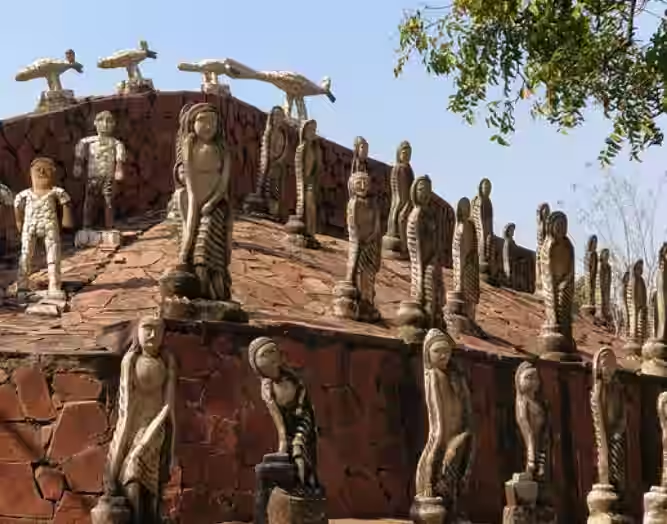
Chandigarh Where Modern Design, Natural Beauty & Cultural Experiences Come Together Explore the City Beautiful and discover world-renowned architecture, serene lakes, vibrant gardens, cultural attractions, exceptional cuisine and unforgettable experiences in the heart of North India. Partner with Us Explore How It Works An Enchanting Fusion of Modernity, Nature & Culture Chandigarh – The City Beautiful Nestled at the foothills of the Shivaliks, Chandigarh is an ideal getaway where panoramic landscapes, modern architecture and world-class amenities come together to create a unique travel experience. Known as India’s first planned city, Chandigarh is a destination that appeals equally to nature lovers, architecture enthusiasts, culture seekers and leisure travellers. Designed by the renowned Swiss-French architect Le Corbusier, Chandigarh is celebrated for its remarkable urban planning, wide tree-lined avenues, organised sectors and harmonious balance between development and nature. The city stands as a symbol of modern India while preserving a relaxed pace of life and abundant green spaces. Whether you are looking to explore architectural landmarks, unwind amidst beautiful gardens, discover vibrant culture or simply enjoy a refreshing break, Chandigarh offers something for every traveller. Why Visit Chandigarh? Architectural Excellence Explore some of India’s finest examples of modern architecture including the Capitol Complex, Open Hand Monument and the Le Corbusier Centre. Chandigarh’s planning and design have earned global recognition, with the Capitol Complex being designated as a UNESCO World Heritage Site. Natural Harmony The city is home to picturesque attractions such as Sukhna Lake, Rock Garden, Rose Garden, Japanese Garden and numerous landscaped parks that provide peaceful retreats within an urban setting. Cultural Experiences Chandigarh’s cosmopolitan character is reflected in its art galleries, cultural festivals, music events, local markets and diverse culinary traditions. Gateway to the Himalayas Its strategic location makes Chandigarh an ideal base for exploring nearby destinations such as Shimla, Kasauli, Morni Hills and the Himalayan foothills. Nature, Wildlife and Scenic Landscapes Sukhna Lake A tranquil reservoir that offers boating, birdwatching, leisurely walks and spectacular sunrise and sunset views. Rock Garden A world-famous artistic wonder created from recycled materials, featuring sculptures, pathways, waterfalls and imaginative installations. Zakir Hussain Rose Garden One of Asia’s largest rose gardens, showcasing thousands of rose varieties and hosting the annual Rose Festival. Capitol Complex An iconic architectural landmark and UNESCO World Heritage Site designed by Le Corbusier. Japanese Garden A beautifully landscaped garden inspired by traditional Japanese design principles, offering a serene environment for visitors. Le Corbusier Centre A fascinating insight into the vision and planning behind Chandigarh’s development. Food, Shopping & Local Experiences Chandigarh offers an exciting blend of traditional and contemporary experiences. Visitors can savour authentic North Indian cuisine, indulge in local street food, shop for Phulkari textiles and Punjabi juttis, and explore vibrant markets and shopping districts across the city. Why Visit Chandigarh? Chandigarh is a city where modern architecture, natural beauty and urban sophistication come together seamlessly. Designed by the legendary architect Le Corbusier, India’s first planned city is renowned for its organised layout, tree-lined avenues, iconic landmarks and exceptional quality of life. From the tranquil waters of Sukhna Lake and the artistic wonder of the Rock Garden to the UNESCO-listed Capitol Complex and vibrant cultural spaces, Chandigarh offers a refreshing blend of leisure, heritage and contemporary living. Whether you are an architecture enthusiast, nature lover, photographer, foodie or leisure traveller, Chandigarh promises memorable experiences in one of India’s most beautiful and thoughtfully designed cities.
Haryana
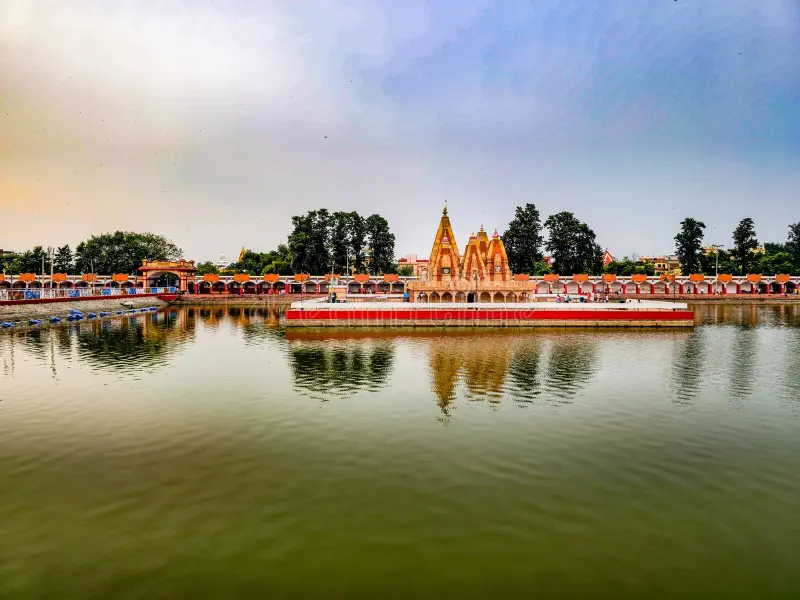
Haryana Where India’s Glorious Past Still Lives On From the sacred land of Kurukshetra and the scenic beauty of Morni Hills to vibrant festivals, royal heritage, and authentic Haryanvi cuisine, Haryana offers unforgettable experiences for every traveller. Partner with Us Explore How It Works The Land of Culture and Heritage Welcome to Haryana Haryana, often known as the “Land of Gods,” beautifully blends ancient traditions with modern progress. Rich in history, spirituality, and cultural heritage, Haryana has played a significant role in shaping India’s past. From the legendary battlefield of Kurukshetra to the archaeological treasures of the Indus Valley Civilization, the state offers visitors a fascinating journey through time. Today, Haryana stands among India’s most prosperous states, known for its vibrant culture, historical landmarks, natural beauty, and warm hospitality. Whether you seek heritage, spirituality, adventure, wildlife, or authentic cuisine, Haryana promises memorable experiences at every step. Rich Heritage and Historical Legacy Haryana has witnessed some of the most significant events in Indian history. The region served as the battleground for several historic conflicts, including the famous Battles of Panipat and the legendary Kurukshetra War described in the Mahabharata. History enthusiasts can explore remarkable archaeological sites such as Rakhi Garhi, Mittathal, and Naurangabad, which reveal traces of the ancient Harappan and pre-Harappan civilizations. Visitors can also admire the grandeur of Raja Nahar Singh Palace and the beautiful Yadavindra Gardens, which showcase the royal heritage and architectural brilliance of the region. Explore the Spiritual Side of Haryana Haryana is one of India’s most important pilgrimage destinations. The sacred city of Kurukshetra is believed to be the place where Lord Krishna delivered the divine teachings of the Bhagavad Gita to Arjuna. The state is also home to revered spiritual sites such as Gurudwara Nada Sahib in Panchkula, which holds immense significance in Sikh history. Temples, gurudwaras, and sacred sites spread across Haryana attract thousands of devotees throughout the year, making it a destination rich in faith and devotion. Nature, Wildlife and Scenic Landscapes From the Shivalik Hills in the northeast to the Aravalli Range in the south, Haryana offers diverse natural landscapes and rich biodiversity. The state is home to numerous wildlife species including blackbucks, nilgai, deer, foxes, jackals, panthers, and more than 300 species of birds. Nature lovers can explore destinations such as Morni Hills, Kalesar National Park, Adi Badri, Chuharpur Herbal Park, and Ban Santour, where lush forests, scenic views, and abundant wildlife create unforgettable experiences. Adventure Experiences in Haryana Adventure seekers will find plenty to enjoy in Haryana, particularly in the picturesque Morni Hills. Located near Chandigarh, this beautiful hill destination offers opportunities for trekking, camping, nature walks, and outdoor recreation amidst breathtaking landscapes. The twin lakes of Morni Hills, surrounded by rolling hills and dense greenery, provide the perfect setting for travellers seeking both adventure and relaxation. Festivals and Cultural Celebrations Haryana celebrates its traditions through colourful festivals and cultural events. Popular celebrations include Teej, Guga Navami, Gita Jayanti, Kaartik Cultural Festival, and the famous Sohna Car Rally. One of the state’s biggest attractions is the Surajkund International Crafts Mela, which draws visitors from around the world with its vibrant handicrafts, cultural performances, and traditional art forms. The Mango Mela, Baisakhi Mela, and Pinjore Heritage Festival further showcase the rich cultural spirit of Haryana. A Culinary Journey Through Haryana Haryanvi cuisine reflects simplicity, authenticity, and rich flavours. Visitors can savour traditional delicacies such as Churma, Malpua, Bathua Raita, Kachri Ki Sabzi, Singhri Ki Sabzi, Meethe Chawal, and Rabri. Dairy products play an important role in local cuisine, with fresh curd and lassi being enjoyed across the state. From wholesome parathas and kadhi-chawal to traditional rotis and sweets prepared with pure desi ghee, Haryana offers a truly memorable culinary experience. Major Tourist Attractions in Haryana Kurukshetra Morni Hills Surajkund Pinjore Gardens (Yadavindra Gardens) Raja Nahar Singh Palace Kalesar National Park Gurudwara Nada Sahib Adi Badri Rakhi Garhi Sultanpur National Park Best Time to Visit Haryana Haryana can be visited throughout the year. October to March offers pleasant weather for sightseeing, heritage tours, and cultural experiences, while the monsoon season enhances the beauty of Morni Hills and the state’s natural attractions.
Punjab
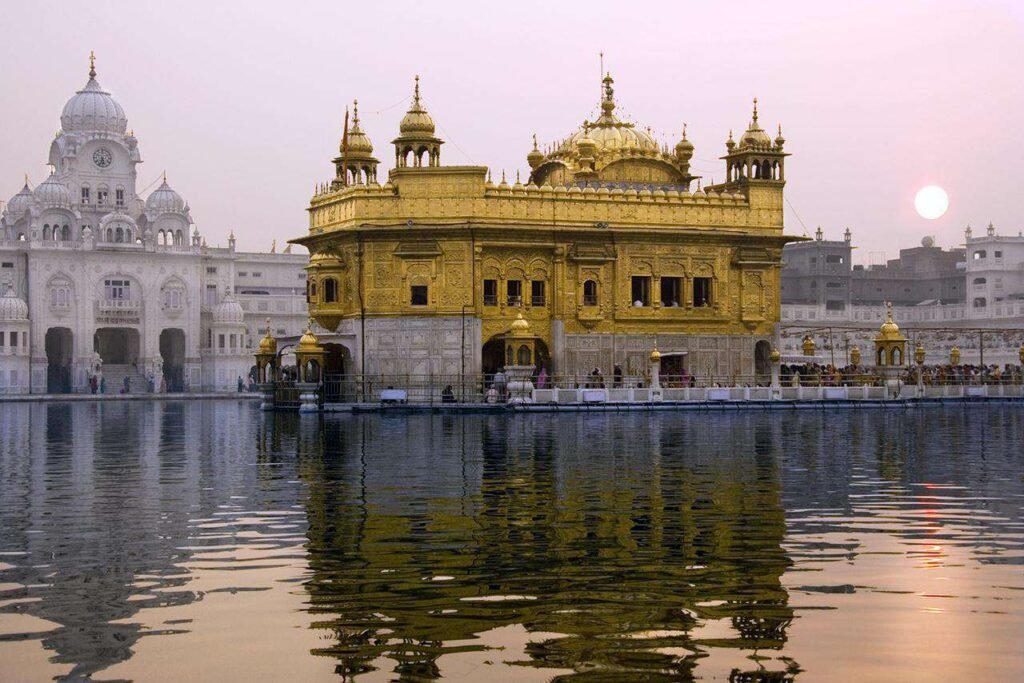
Punjab Where Heritage, Spirituality and Hospitality Come Alive From the sacred Golden Temple and vibrant festivals to royal heritage, wildlife sanctuaries, and authentic Punjabi cuisine, Punjab offers unforgettable experiences for every traveller. Partner with Us Explore How It Works Punjab – Where Every Journey Tells a Story About Punjab Located in the northwestern region of India, Punjab is a vibrant land where history, spirituality, culture, and hospitality come together to create unforgettable travel experiences. Known as the “Land of Five Rivers”, Punjab is celebrated for its rich heritage, sacred shrines, colourful festivals, fertile landscapes, and warm-hearted people. For centuries, Punjab has been a gateway to India, welcoming travellers, traders, saints, and empires. Today, it continues to captivate visitors with its unique blend of historical landmarks, spiritual destinations, rural charm, wildlife, authentic cuisine, and contemporary attractions. As one of India’s most culturally significant destinations, Punjab offers international travellers an opportunity to experience the true spirit of India through its traditions, stories, and legendary hospitality. Spiritual Heritage and Historical Landmarks Punjab is home to some of the most revered spiritual and historical sites in India. At the heart of Sikhism stands the magnificent Golden Temple in Amritsar, also known as Sri Harmandir Sahib. Adorned with gold and surrounded by the sacred Amrit Sarovar, it attracts millions of pilgrims and visitors from across the world every year. Nearby, Jallianwala Bagh serves as a powerful reminder of India’s struggle for independence. The memorial preserves the memory of the tragic events of 1919 and remains one of the most significant historical sites in the country. History enthusiasts can further explore the royal legacy of Punjab through attractions such as Qila Mubarak in Patiala, the ancient city of Pathankot, the sacred Mukteshwar Temple, and the historically significant region of Hoshiarpur, whose roots are linked to the epic Mahabharata. Nature and Scenic Landscapes Beyond its cultural and spiritual heritage, Punjab offers a refreshing natural landscape filled with rivers, wetlands, forests, and rolling hills. The Shivalik Hills in northern Punjab provide excellent opportunities for nature walks, photography, and outdoor exploration. Their picturesque scenery and peaceful environment offer a perfect escape from urban life. The Ropar Wetland is another natural treasure, attracting birdwatchers and nature lovers with its diverse ecosystem and seasonal migratory birds. Wildlife and Eco-Tourism in Punjab Punjab’s rich biodiversity can be experienced through its wildlife sanctuaries and protected reserves. Harike Wetland and Bird Sanctuary, located at the confluence of the Beas and Sutlej rivers, is among the largest wetlands in Northern India. It serves as an important habitat for migratory birds and is known for sightings of the endangered Indus River Dolphin. Abohar Wildlife Sanctuary is another popular eco-tourism destination, famous for its population of blackbucks, blue bulls, and diverse birdlife. These natural reserves provide excellent opportunities for birdwatching, wildlife photography, and sustainable tourism experiences. Cities, Culture and Contemporary Experiences Punjab’s cities combine tradition with modern energy. Amritsar remains one of the most visited destinations in India, offering heritage walks, bustling markets, vibrant street food, and the world-famous Wagah Border Ceremony, where visitors witness a spectacular display of patriotism at the India-Pakistan border. Patiala showcases royal heritage through its palaces, architecture, and cultural traditions, while Ludhiana and Jalandhar represent Punjab’s growing urban and commercial landscape. Across the state, visitors can enjoy folk music, traditional dance forms such as Bhangra and Giddha, local handicrafts, and authentic village experiences that provide a glimpse into Punjab’s rural life. Punjabi Cuisine – A Culinary Journey No visit to Punjab is complete without experiencing its world-famous cuisine. Punjab is known for hearty flavours, traditional cooking methods, and generous hospitality. Signature dishes such as Butter Chicken, Dal Makhani, Sarson Da Saag with Makki Di Roti, and Amritsari Kulcha have earned international recognition. The streets of Amritsar, Ludhiana, and Jalandhar are filled with local delicacies including Chole Bhature, Aloo Tikki, Lassi, and traditional Punjabi sweets. Food lovers will discover that every meal in Punjab reflects the region’s rich agricultural heritage and passion for hospitality. Festivals and Celebrations Punjab’s cultural identity is deeply rooted in its vibrant festivals and community celebrations. Baisakhi, one of the state’s most important festivals, marks the Sikh New Year and celebrates the harvest season with traditional music, dance, and religious gatherings. Lohri brings communities together around bonfires during winter, while Diwali illuminates cities and villages with lights, festivities, and celebrations. The famous Hola Mohalla festival at Anandpur Sahib showcases martial arts, cultural performances, and Sikh traditions, attracting visitors from around the world. These celebrations provide travellers with authentic opportunities to experience Punjab’s living culture and traditions. Why Visit Punjab? Punjab offers a unique combination of: Spiritual tourism and sacred sites Rich history and royal heritage Wildlife and eco-tourism experiences Authentic Punjabi cuisine Colourful festivals and traditions Rural and cultural experiences Warm hospitality and local charm Whether you seek spirituality, history, nature, culture, or gastronomy, Punjab promises memorable experiences that leave a lasting impression. Best Time to Visit Punjab The best time to visit Punjab is from October to March, when the weather is pleasant and ideal for sightseeing, cultural exploration, wildlife excursions, and outdoor activities. Winter also coincides with several major festivals and provides excellent conditions for exploring both cities and rural landscapes. Explore Punjab with UnDMC India Through UnDMC India’s regional destination management network, foreign tour operators can access reliable local expertise, customised itineraries, seamless tour operations, cultural experiences, heritage tours, wildlife excursions, and authentic Punjab travel experiences designed by destination specialists. Discover the timeless spirit of Punjab — where heritage, spirituality, culture, and hospitality create journeys worth remembering.
Ladakh
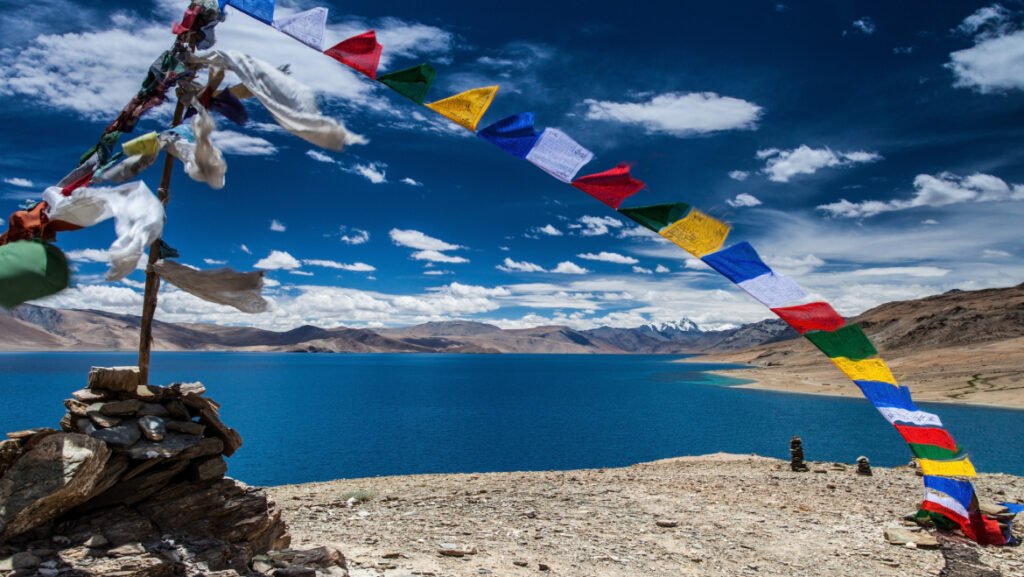
Ladakh Tourism Discover the Enchanting Tale of Ladakh Explore Ladakh, a spectacular high-altitude destination renowned for dramatic mountain landscapes, pristine lakes, ancient monasteries, thrilling adventures, and vibrant cultural traditions. From the iconic Pangong Lake and Nubra Valley to the spiritual serenity of Hemis Monastery and the excitement of Khardung La Pass, Ladakh promises unforgettable experiences amidst the majestic Himalayas. Partner with Us Explore How It Works Discover the Land of High Passes, Ancient Monasteries and Himalayan Adventures Discover the Enchanting Tale of Ladakh Nestled in the northernmost region of India, Ladakh is a land of dramatic landscapes, ancient monasteries, crystal-clear lakes, and thrilling adventures. Popularly known as “Little Tibet”, Ladakh reflects the cultural essence of the Tibetan Plateau while offering travellers an unforgettable journey through its rugged mountains, high-altitude deserts, and timeless traditions. From serene lakes and majestic mountain passes to vibrant festivals and spiritual sanctuaries, Ladakh promises extraordinary experiences for every traveller. Whether you seek adventure, tranquillity, cultural exploration, or spiritual rejuvenation, Ladakh captivates visitors with its unparalleled beauty and warm hospitality. The Untamed Beauty of Ladakh Ladakh is blessed with some of India’s most spectacular natural wonders. Snow-capped peaks, pristine lakes, vast valleys, and dramatic landscapes create an enchanting paradise for nature lovers. The iconic Pangong Tso, one of Ladakh’s most celebrated attractions, mesmerises visitors with its ever-changing shades of blue. Equally breathtaking is Tso Moriri Lake, India’s largest high-altitude lake, known for its untouched beauty and tranquil surroundings. Other remarkable natural attractions include Tso Kar Lake, famous for its saltwater ecosystem, and the secluded Yarab Tso Lake in Nubra Valley, renowned for its crystal-clear waters and serene atmosphere. Majestic Passes and Scenic Landscapes Ladakh is home to some of the world’s highest motorable roads and mountain passes, attracting adventure enthusiasts from across the globe. The famous Khardung La Pass, Chang La Pass, and Fotu La Pass offer breathtaking panoramic views and thrilling driving experiences. Travellers can also explore the fascinating Magnetic Hill, known for its unique optical illusion, and the surreal landscapes of Moonland near Lamayuru, often compared to the surface of the moon. These extraordinary landscapes make Ladakh one of the world’s most unique travel destinations. Adventure Tourism in Ladakh Ladakh is a paradise for adventure seekers. Its rugged terrain and high-altitude landscapes provide endless opportunities for thrilling outdoor experiences.Popular adventure activities include: Trekking through scenic Himalayan trails River rafting on the Zanskar and Indus Rivers Mountain biking across high mountain passes Camping under star-lit skies Off-road motorcycling expeditions Wildlife exploration and nature photography Some of the most popular trekking routes in Ladakh include: Markha Valley Trek Chadar Trek Sham Valley Trek Rumtse to Tso Moriri Trek Rich Heritage and Royal Legacy Ladakh’s rich history is reflected in its magnificent palaces, ancient forts, and architectural marvels. The historic Leh Palace, built in the 17th century by King Singey Namgyal, remains one of Ladakh’s most iconic landmarks. Equally significant is the beautiful Stok Palace, which continues to preserve the royal heritage of Ladakh. The ancient Tsemo Fort, overlooking Leh town, stands as a timeless symbol of Ladakh’s glorious past and Buddhist legacy. Spiritual Journey Through Ladakh Ladakh is renowned for its spiritual atmosphere and centuries-old Buddhist traditions. Monasteries perched on hilltops offer visitors peace, tranquillity, and a glimpse into the region’s rich spiritual heritage. Some of Ladakh’s most famous monasteries include: Hemis Monastery Thiksey Monastery Alchi Monastery Diskit Monastery Other important spiritual landmarks include the revered Shanti Stupa, the historic Gurudwara Pathar Sahib, and the magnificent Jama Masjid in Leh. Together, these sacred sites showcase Ladakh’s remarkable spiritual diversity and cultural harmony Valleys and Lakes of Ladakh Ladakh is home to several spectacular valleys that offer breathtaking scenery and unforgettable experiences. Popular valleys include: Nubra Valley Zanskar Valley Suru Valley Sham Valley Aryan Valley Mushkoh Valley Equally enchanting are the pristine lakes of Ladakh: Pangong Tso Tso Moriri Tso Kar These destinations attract photographers, nature lovers, and adventure enthusiasts from around the world. Wildlife and Eco-Tourism Ladakh is home to rare and endangered wildlife species, including the elusive Snow Leopard, Himalayan Brown Bear, and various Himalayan bird species. Protected areas such as Hemis National Park, Changthang Cold Desert Wildlife Sanctuary, and Karakoram Wildlife Sanctuary provide excellent opportunities for wildlife tourism, eco-tourism, and nature photography. Best Time to Visit Ladakh The best time to visit Ladakh is between May and September, when the weather remains pleasant and roads are accessible. During these months, travellers can comfortably explore monasteries, valleys, lakes, and adventure destinations.